


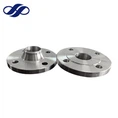


Basic Info.
Product Description
Carbon steel & Alloy Steel Pipe Fittings
| Carbon steel & Alloy Steel butt welded pipe fittings | Carbon steel & Alloy Steel forged pipe fittings | Carbon steel & Alloy Steel flange |
| Specification 1/2" - 140" (DN15 - DN3500) | Specification 1/2" - 4" (DN15 - DN100) | Specification 1/2" - 60" (DN15 - DN1500) |
| Pressure grade SCH5 -SCH160 ( SCH5S - SCH160S) | Pressure grade 3000Lb - 6000Lb | Pressure grade 150Lb - 2500Lb |
| Production process Cold forming, hot forming | Production process Forging forming, Machine molding | Production process Forging forming, Machine molding |
| 180 degree long radius elbow 180 degree short radius elbow 90 degree long radius elbow 90 degree short radius elbow 45 degree long radius elbow 45 degree short radius elbow reducing elbow 180 degree bend(2D~8D) 90 degree bend(2D~8D) 45 degree bend(2D~8D) 30 degree bend(2D~8D) straight tee / equal tee reducing tee lateral tee Y tee Straight cross Reducing cross Connecting reducer Eccentric reducer Lap joint stub -end Long type stub -end Short type stub0-end Pipe type | Forged 90 degree elbow Forged 45 degree elbow Base elbow Reducer swage Forged straight tee Forged reducing tee Full coupling Half coupling Reducing coupling Quick coupling Weldolet Sockolet Threadolet Elbolet Latrolet Nipolet Plug Straight nipple Reducing nipple Union Cap | Weld neck flange Slip on flange Lap joint flange Blind flange Socket welding flange Thread flange Spectical flange Paddle flange Ring flange |
| Manufacturing standard: ASME B16.9, ASME B16.28, MSS SP-43, HG/T21631 DIN2605, DIN2615, JISB2311, JISB2312,GB/T13401,SH3408, SH3409, GB/T12459 | Manufacturing standard: ASME B16.11, MSS SP-97, JISB2316, GB/T14383 HG/T21634 | Manufacturing standard: ASME B16.5, DIN2527 ASMEB16.47A/B, SH3406, GB/T9112, ISO7005-1, HG20615, JISB2220, |
1. What is an SS Pipe Cap?
A pipe cap is a type of fitting used to seal the end of a pipe. An SS pipe cap is a pipe cap made of stainless steel. SS pipe caps come in different shapes and sizes, and they are designed to fit over the end of a pipe to provide a barrier to the environment, prevent contaminants from entering the piping system, and to prevent fluid from leaking out.
2. The Importance of SS Pipe Caps in Piping Systems
Pipe caps play a crucial role in piping systems, and their importance cannot be overstated. Here are some reasons why SS pipe caps are vital:
Protect pipes from environmental factors such as dust, dirt, and moisture
Control fluid flow and prevent leaks
Prevent contamination of the piping system
Aid in system maintenance by providing easy access to the pipe for inspection, cleaning, or repairs
3. Types of SS Pipe Caps
SS pipe caps come in different types, and the type of cap you choose depends on your application and requirements. Here are the three main types of SS pipe caps:
Welded Caps
Welded caps are designed to fit over the end of a pipe and are welded in place to provide a permanent seal. They are commonly used in high-pressure and high-temperature applications, where leaks could be dangerous.
Threaded Caps
Threaded caps are designed to screw onto the end of a pipe and provide a secure seal. They are commonly used in low-pressure applications and are easy to install and remove.
Socket Weld Caps
Socket weld caps are designed to fit over the end of a pipe and are welded in place using a socket weld. They are commonly used in small diameter piping systems and high-pressure applications.
4. Materials Used in SS Pipe Caps
SS pipe caps can be made from different materials, depending on the application. The most common materials used in SS pipe caps are:
Stainless steel
Carbon steel
Alloy steel
Brass
Copper
PVC
Stainless steel is the most popular material used for SS pipe caps due to its durability, strength, and resistance to corrosion.
5. How to Choose the Right SS Pipe Cap
Choosing the right SS pipe cap is crucial to ensure optimal performance and longevity of your piping system. Here are some factors to consider when choosing an SS pipe cap:
Sizing and Measurements
The size and measurement of the SS pipe cap you applies must match the size and measurement of the pipe. It's essential to measure the pipe's outer diameter accurately to determine the correct size of the cap.
Pressure Rating
The pressure rating of the SS pipe cap is another crucial factor to consider. The pressure rating indicates the maximum pressure the cap can handle without failure. It's important to choose an SS pipe cap with a pressure rating that matches the maximum pressure the piping system can handle.
End Connections
The end connections of the SS pipe cap should match the end connections of the pipe. It's crucial to ensure a secure and tight fit to prevent leaks and contamination.
6. Installation and Maintenance of SS Pipe Caps
Installing an SS pipe cap is a relatively simple process. The cap is placed over the end of the pipe and secured in place using the appropriate method, such as welding, threading, or socket welding. To ensure optimal performance and longevity, regular maintenance is crucial. Regular inspection, cleaning, and replacement of worn or damaged caps are recommended.
7. Applications of SS Pipe Caps
SS pipe caps are used in various applications, including:
Chemical processing
Oil and gas
Food and beverage
Pharmaceutical
Water treatment
8. Advantages of Using SS Pipe Caps
Using SS pipe caps in your piping system offers several advantages, including:
Durability and longevity
Resistance to corrosion and rust
Easy installation and maintenance
Secure and tight seal
Prevents contamination and leakage
9. Disadvantages of Using SS Pipe Caps
Despite their many advantages, SS pipe caps also have some disadvantages, including:
Higher cost compared to other materials
Can be difficult to remove and replace once welded in place
Limited availability of large sizes and custom designs
10. Comparison between SS Pipe Caps and Other Pipe Fittings
While SS pipe caps play a crucial role in piping systems, they are not the only type of pipe fitting available. Here's a comparison between SS pipe caps and other common pipe fittings:
Elbows: used to change the direction of the pipe
Tees: used to combine or split the flow of fluids in the piping system
Couplings: used to join two pipes together
Flanges: used to connect pipes, valves, or pumps to form a complete piping system
Hot Tags: ss pipe cap, China ss pipe cap manufacturers, suppliers, factory, DIN2605 Pipe Fittings, JIS B2311 STEEL BEND, JIS G3455 ELBOW, DIN2605 STEEL BEND, B2220 welding pipe flanges, DIN2633 PIPE FITTINGS


