


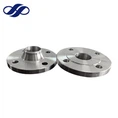


Stainless steel elbow is mainly different from carbon steel elbow in material. The chemical composition of stainless steel will prevent the elbow surface from rusting and corrosion for a long time.
Elbow connection methods include: electric fusion connection, hot melt connection, direct welding connection, threaded connection, socket connection, etc. The elbow is made of alloy steel, malleable iron, cast iron, stainless steel, carbon steel, nonferrous metals and plastics. According to the production process, it can be divided into hot pressing elbow, pressing elbow, welding elbow, casting elbow, stamping elbow, forging elbow, etc.
R=3D steel elbow fittings are highly reliable and versatile components used in various piping systems across industries. These fittings are designed with a 3D radius, providing a smooth flow transition and efficient change in direction within the pipeline. Constructed from robust steel materials, such as carbon steel or stainless steel, R=3D elbow fittings offer exceptional strength, durability, and corrosion resistance.
Functionality and Applications: they play a vital role in fluid transportation and routing within piping systems. They enable changes in flow direction, optimizing the layout and efficiency of pipelines. These fittings find extensive applications in industries such as oil and gas, petrochemical, power generation, HVAC systems, water distribution, and plumbing installations.
Benefits:
Smooth Flow and Reduced Pressure Loss: they ensure a smooth flow of fluids, minimizing turbulence and pressure drops. This improves overall system efficiency and reduces energy consumption.
High Strength and Durability: Constructed from robust steel materials, they offer exceptional strength and durability, making them suitable for high-pressure applications and ensuring long-lasting performance.
Corrosion Resistance: they are specifically designed to withstand corrosive substances and harsh environments, ensuring system longevity and minimizing the risk of failures.
Versatile Applications: These fittings can be used in various piping systems, including industrial processes, HVAC systems, and plumbing installations, facilitating efficient routing and adaptability to different pipe sizes and materials.
Easy Installation and Maintenance: they feature threaded or welded connections for easy installation. Their robust construction requires minimal maintenance, reducing downtime and optimizing system performance.
Compatibility and Interchangeability: they are designed to be compatible and interchangeable with various pipe sizes, materials, and fittings, allowing for easy integration into existing piping systems.
Space Efficiency: The compact design and 3D radius of these fittings allow for efficient routing of pipes in limited spaces, optimizing the utilization of available space in industrial environments or building structures.
Temperature and Pressure Resistance: they are engineered to withstand high temperatures and pressures, ensuring safe and reliable operation under demanding conditions.
Safety and Reliability: These fittings provide secure and leak-free connections, prioritizing system safety and reliability. They undergo rigorous quality checks to ensure compliance with industry standards.
Cost Savings: they offer cost savings through their durability, corrosion resistance, and optimized flow design, reducing maintenance needs and energy consumption.
Advantages:
Efficient Flow Transition: The 3D radius of R=3D elbow fittings enables a smooth and efficient change in flow direction, minimizing pressure losses and improving system performance.
Optimal Pipe Routing: These fittings allow for optimal routing of pipes, facilitating efficient and space-saving layouts within piping systems.
Enhanced System Longevity: With their corrosion resistance and robust construction, R=3D elbow fittings contribute to the longevity and reliability of piping systems, minimizing the need for frequent replacements or repairs.
Versatility and Adaptability: they are compatible with various pipe sizes, materials, and fittings, offering versatility and adaptability in different applications.
Simplified Installation: The threaded or welded connections of these fittings ensure easy and
simplified installation, reducing the need for complex tools or techniques. This saves time and effort during the installation process.
Reduced Maintenance Requirements: they are designed for minimal maintenance. Their durable construction and corrosion resistance minimize the risk of leaks or failures, reducing the need for frequent inspections and repairs. This translates into cost savings and improved system reliability.
Enhanced System Performance: By promoting a smooth flow transition and reducing pressure losses, R=3D elbow fittings optimize system performance. They minimize energy consumption, ensure efficient fluid transportation, and contribute to overall operational excellence.
Improved System Safety: they prioritize safety by providing secure and leak-free connections. Their adherence to industry standards and rigorous quality checks ensure the integrity of the piping system, minimizing the risk of accidents or hazardous situations.
Time and Cost Efficiency: The ease of installation, compatibility with different pipe sizes, and reduced maintenance requirements of it result in time and cost efficiency. These fittings streamline the installation process, reduce labor costs, and minimize operational disruptions.
Industry Compliance: R=3D elbow fittings comply with industry standards and regulations, ensuring their suitability for a wide range of applications. This compliance provides assurance to operators, engineers, and regulatory bodies regarding the performance and reliability of the fittings.
Production Process:
they are manufactured using advanced production processes. The process typically involves:
Material Selection: High-quality steel materials, such as carbon steel or stainless steel, are chosen for their strength, durability, and corrosion resistance.
Forming: The selected steel is shaped into the desired elbow configuration through processes such as hot forming or cold forming. This ensures the proper curvature and geometry of the fittings.
Heat Treatment: The formed fittings undergo heat treatment processes to enhance their mechanical properties, such as strength and toughness.
Machining: Precision machining techniques are employed to achieve accurate dimensions and smooth surfaces, ensuring proper fit and functionality within the piping system.
Surface Treatment: The fittings may undergo surface treatments, such as coating or plating, to enhance their corrosion resistance and improve their aesthetic appearance.
Quality Control: Rigorous quality control measures are implemented throughout the production process to ensure compliance with industry standards and specifications. These measures include dimensional checks, material testing, and visual inspections.
Usage Instructions:
To ensure proper installation and use of it, the following instructions should be followed:
Select the appropriate fitting size and material based on the specific application and system requirements.
Ensure that the pipe ends are properly prepared, free from burrs, and clean before connecting the fittings.
Align the fittings with the pipe ends and secure them using the recommended installation method, such as threading or welding.
Apply the appropriate sealing material, such as Teflon tape or pipe thread sealant, to ensure a leak-free connection.
Avoid over-tightening the fittings to prevent damage or distortion.
Conduct pressure tests after installation to verify the integrity of the piping system and the fittings.
Regularly inspect the fittings for signs of wear, corrosion, or leaks. Replace any damaged or faulty fittings promptly.
Follow industry guidelines and regulations for system maintenance, repairs, and replacements.
Consult the manufacturer's documentation and technical specifications for specific recommendations on installation, maintenance, and usage.
Seek professional assistance or consult an engineer for complex installations or applications outside the scope of general instructions.
Considerations:
When using it, it is important to consider the following:
System Compatibility: Ensure that the fittings are compatible with the pipe material, size, and application requirements.
Operating Conditions: Consider the temperature,
pressure, and fluid characteristics of the operating conditions to ensure that the R=3D steel elbow fittings are suitable for the specific environment.
Corrosion Resistance: Evaluate the corrosive nature of the fluid or environment in which the fittings will be used. Choose the appropriate corrosion-resistant material, such as stainless steel, if necessary.
System Design: Consider the layout and design of the piping system to determine the optimal placement and orientation of the R=3D steel elbow fittings for efficient flow and minimal pressure losses.
Installation Method: Select the appropriate installation method, whether it is threaded or welded, based on the specific application and industry standards.
Handling and Transportation: Handle the fittings with care during transportation and installation to prevent damage or deformation that could affect their performance.
System Pressure Ratings: Ensure that the R=3D steel elbow fittings have sufficient pressure ratings to handle the maximum expected system pressure without compromising safety or performance.
Proper Sealing: Use appropriate sealing materials and techniques to ensure a tight and leak-free connection between the fittings and pipes.
Maintenance and Inspection: Regularly inspect the fittings for signs of wear, corrosion, or leaks. Implement a maintenance schedule to ensure the ongoing performance and integrity of the piping system.
Compliance with Regulations: Ensure that the R=3D steel elbow fittings comply with relevant industry standards, regulations, and safety requirements applicable to the specific application or region.
Environmental Considerations: Consider any environmental factors, such as temperature variations or exposure to chemicals, that may impact the performance or lifespan of the fittings.
Compatibility with Other Components: Verify the compatibility of it with other components within the piping system, such as valves, flanges, or connectors, to ensure proper functioning and compatibility.
Proper Documentation and Traceability: Maintain proper documentation of the fittings' specifications, including material certifications, manufacturing date, and traceability, to ensure accountability and facilitate future maintenance or replacements.
Training and Expertise: Ensure that personnel involved in the installation, operation, and maintenance of the piping system are properly trained and have the necessary expertise to handle R=3D steel elbow fittings safely and effectively.
Consult Manufacturer's Guidelines: Always refer to the manufacturer's guidelines, technical specifications, and instructions for specific recommendations on installation, usage, and maintenance of it.
Hot Tags: r=3d steel elbow fitting, China r=3d steel elbow fitting manufacturers, suppliers, factory, SCH20 STEEL BEND, 10253 1 butt welding pipe fittings, DN850 STEEL ELBOW FITTING, Elbow Lr 45 Std A234, DN1200 STEEL REDUCER FITTING, DN1500 STEEL BEND