


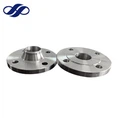


stainless steel weld neck flange dimensions weight chart
Pressure
150#-2500#
Face
FF RF Rtj
Certificates
CE / ISO / SGS / BV
Factory
Over 15 Years Experience
Features
Seamless,Weld ,ERW
Color
Customization
Model Number
10mm 12mm 14mm 50mm 30mm
Shape
Equal
Materials
: Carbon Steel,Stainless Steel,
Delivery Time
5-30 Days
Product Name
: Stainless Steel Flange
Supply Ability
1000 Piece/Pieces Per Mon
MOQ
1 Piece
Transport Package
Plywood Case. Plywood Pallet, Customized Packing
Specification
1/2"-110"
Trademark
DZ
Origin
China
HS Code
73072100
Production Capacity
10000 Ton/Tons Per Month
Other Factors for Choosing Flanges
Consider the pipe material, pressure and temperature ratings, flange dimensions, and tolerances, to determine the appropriate flange material. ANSI ratings provide information on pressure and heat tolerances. Fitting type is an important consideration as well.
What is a Weld Neck Flange?
A weld neck flange is a type of flange that is designed to be welded to a pipe. It has a long tapered hub that gradually transitions into the pipe and a neck that is welded to the pipe. The neck of the flange is the part that is bolted to the pipe, providing a strong and leak-proof connection.
How is Weld Neck Flange Weight Calculated?
Weld neck flange weight is calculated based on the size and material of the flange. The weight of a flange is typically measured in pounds (lbs) or kilograms (kg). The weight of a flange can be calculated using the following formula:
Weight (lbs) = (OD - TH) x TH x 0.02466 x Material Density
OD = Outer Diameter of Flange
TH = Thickness of Flange
Material Density = Density of the Flange Material
Importance of Weld Neck Flange Weight
Weld neck flange weight is important because it affects the overall weight and stability of the piping system. If a flange is too heavy or too light, it can cause issues with the system's balance and cause it to fail. In addition, the weight of a flange can affect the cost of the piping system, as heavier flanges typically cost more.
Standard Weld Neck Flange Weight Chart
There are standard weight charts available for weld neck flanges, which provide the weight of flanges of different sizes and materials. These charts can be used to help determine the weight of a specific flange or to compare different flange options.
Factors Affecting Weld Neck Flange Weight
The weight of a weld neck flange is affected by several factors, including the size, material, and thickness of the flange. In addition, the weight of a flange can be affected by the manufacturing process, as well as any additional features or components that may be added.
Advantages of Using Weld Neck Flanges
Weld neck flanges offer several advantages over other types of flanges, including:
Provides a strong and leak-proof connection
Resistant to high pressure and high temperature
Can be used in both high and low temperature applications
Can be used in both high and low pressure applications
Easy to install and remove
Disadvantages of Using Weld Neck Flanges
Despite their advantages, weld neck flanges do have some disadvantages, including:
More expensive than other types of flanges
Can be difficult to install in tight spaces
Requires skilled labor to install properly
May require additional equipment, such as welding machines and cranes
Weld Neck Flanges vs Other Flange Types
There are several other types of flanges available, each with their own unique advantages and disadvantages. Some of the most common types of flanges include slip-on flanges, threaded flanges, socket weld flanges, and blind flanges.
Slip-on flanges are similar to weld neck flanges, but they do not have a neck that needs to be welded to the pipe. Instead, they are slipped over the pipe and then welded in place.
Threaded flanges have threads on the inside of the flange that allow them to be screwed onto the pipe. They are commonly used in low pressure applications.
Socket weld flanges have a socket in the flange that the pipe is inserted into. The pipe is then welded to the socket, creating a strong and leak-proof connection.
Blind flanges are used to close off the end of a pipe or a valve. They do not have an opening in the center, and are typically bolted to the end of the pipe.
Weld Neck Flange Applications
Weld neck flanges are commonly used in high pressure and high temperature applications, such as oil and gas, chemical processing, and power generation. They are also used in applications where a strong and leak-proof connection is required, such as in steam piping systems.
Materials Used for Weld Neck Flanges
Weld neck flanges can be made from a variety of materials, including carbon steel, stainless steel, alloy steel, and nickel alloys. The choice of material will depend on the specific application, as well as the temperature and pressure requirements.
Common Weld Neck Flange Sizes
Weld neck flanges are available in a wide range of sizes, from ½ inch to 80 inches and larger. The most common sizes are between 1 inch and 24 inches.
Weld Neck Flange Installation
Installing a weld neck flange requires skilled labor and specialized equipment, such as welding machines and cranes. The process involves welding the neck of the flange to the pipe, and then bolting the flange to the mating flange or component.
Weld Neck Flange Maintenance
Weld neck flanges require regular maintenance to ensure that they remain leak-proof and in good condition. This may include cleaning the flange surface, inspecting the welds, and replacing any damaged or worn components.
Weld Neck Flange Cost
Weld neck flanges are typically more expensive than other types of flanges, due to their higher material and manufacturing costs. The cost will depend on the size, material, and thickness of the flange, as well as the quantity ordered.
FAQs
What is a weld neck flange used for?
A weld neck flange is used to provide a strong and leak-proof connection between two pipes or components in a high pressure or high temperature application.
How is weld neck flange weight calculated?
Weld neck flange weight is calculated based on the size, material, and thickness of the flange. The weight can be calculated using a formula that takes into account these factors.
What are the advantages of using weld neck flanges?
Weld neck flanges offer several advantages, including a strong and leak-proof connection, resistance to high pressure and temperature, and ease of installation.
What are the disadvantages of using weld neck flanges?
The main disadvantages of using weld neck flanges are their higher cost compared to other types of flanges and the need for skilled labor and specialized equipment for installation.
What materials are used to make weld neck flanges?
Weld neck flanges can be made from a variety of materials, including carbon steel, stainless steel, alloy steel, and nickel alloys. The choice of material will depend on the specific application, as well as the temperature and pressure requirements.
Can weld neck flanges be used in low pressure applications?
While weld neck flanges are commonly used in high pressure and high temperature applications, they can also be used in low pressure applications. However, other types of flanges such as slip-on and threaded flanges may be more suitable and cost-effective for low pressure applications.

As temperature increases, the pressure rating of the flange decreases. For example, a Class 150 flange is rated to approximately 270 PSIG at ambient conditions, 180 PSIG at approximately 400°F, 150 PSIG at approximately 600°F, and 75 PSIG at approximately 800°F.
Hot Tags: weld neck flange weight, China weld neck flange weight manufacturers, suppliers, factory, 150 Carbon Steel Flange, Stainless steel seamless elbow, 304 LR ELBOW, SUS316L STEEL REDUCER FITTING, 10inch DIN PN16 A105 BLIND FLANGE, 150 DN80 904L FLANGE


