


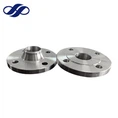


End | Bevel end/BE/buttweld |
Surface | nature color, varnished, black painting, anti-rust oil etc. |
Material | Carbon steel: A234WPB, A420 WPL6 St37,St45, E24, A42CP, 16Mn, Q345, P245GH,P235GH, P265GH, P280GH, P295GH, P355GH etc. |
Pipeline steel: ASTM 860 WPHY42, WPHY52, WPHY60, WPHY65,WPHY70, WPHY80 and etc. | |
Cr-Mo alloy steel: A234 WP11,WP22,WP5,WP9,WP91, 10CrMo9-10, 16Mo3 etc. | |
Application | Petrochemical industry;aviation and aerospace industry;pharmaceutical industry,gas exhaust; power plant;ship building; water treatment, etc. |
Advantages | ready stock,faster delivery time;available in all sizes,customized;high quality |
What is a Seamless Cap?
As mentioned, a seamless cap is a type of fitting used to cover the end of a pipe or fitting. It is made from a single piece of material, which is formed into the shape of a cap. This cap is then welded, threaded, or attached in some other way to the end of the pipe or fitting.
Seamless caps are often used in applications where a high level of strength and durability is required. They are also commonly used in applications where aesthetics are important, such as in the automotive or aerospace industries.
Benefits of Using a Seamless Cap
There are many benefits to using a seamless cap for your fittings. These include:
Strength and Durability: Because seamless caps are made from a single piece of material, they are often stronger and more durable than other types of caps.
Aesthetics: Seamless caps have a smooth, uninterrupted surface that is often more aesthetically pleasing than other types of caps.
Tighter Seal: Seamless caps are often able to provide a tighter seal than other types of caps, which can reduce the risk of leaks and other problems.
Compatibility: Seamless caps can be made from a wide range of materials, which makes them compatible with many different types of pipes and fittings.
Types of Seamless Caps
There are several different types of seamless caps, each of which is designed for a specific type of application. Some of the most common types of seamless caps include:
Flat Cap
A flat cap is a type of seamless cap that has a flat surface. It is often used in applications where a simple, functional cap is required.
Domed Cap
A domed cap is a type of seamless cap that has a convex surface. This type of cap is often used in applications where a more decorative or aesthetically pleasing cap is desired.
Hemispherical Cap
A hemispherical cap is a type of seamless cap that has a half-spherical shape. This type of cap is often used in applications where a tight seal is required, as the hemispherical shape can provide a better seal than other types of caps.
Conical Cap
A conical cap is a type of seamless cap that has a cone-shaped surface. This type of cap is often used in applications where the flow of fluid or gas needs to be redirected, such as in a vent or a chimney.
Custom Caps
In addition to these standard types of seamless caps, it is also possible to have custom caps designed and manufactured to meet specific requirements. This can be particularly useful in applications where off-the-shelf caps are not suitable.
Materials Used for Seamless Caps
Seamless caps can be made from a wide range of materials, depending on the specific requirements of the application. Some of the most common materials used for seamless caps include:
Stainless Steel
Stainless steel is a popular material for seamless caps due to its strength, durability, and resistance to corrosion. It is often used in applications where the cap will be exposed to harsh environments or corrosive materials.
Carbon Steel
Carbon steel is another popular material for seamless caps. It is strong, durable, and relatively inexpensive, making it a good choice for many applications.
Alloy Steel
Alloy steel is a type of steel that has been combined with other elements to improve its strength and other properties. It is often used in applications where a higher level of strength is required than can be achieved with carbon steel or stainless steel.
Nickel Alloy
Nickel alloys are a group of metals that contain a high percentage of nickel, along with other elements such as chromium, molybdenum, or iron. They are often used in applications where a high level of corrosion resistance is required.
Titanium
Titanium is a lightweight and strong material that is often used in applications where weight is a concern, such as in the aerospace industry. It is also highly resistant to corrosion, making it a good choice for applications where the cap will be exposed to harsh environments.
Choosing the Right Seamless Cap
When choosing a seamless cap for your fittings, there are several factors to consider. These include:
Size
The size of the cap should be chosen based on the size of the pipe or fitting it will be used with. It is important to choose a cap that fits snugly, but is not too tight or too loose.
Pressure Rating
The pressure rating of the cap should be chosen based on the maximum pressure that will be present in the system. It is important to choose a cap that can withstand this pressure without failing.
Temperature Rating
The temperature rating of the cap should be chosen based on the maximum temperature that will be present in the system. It is important to choose a cap that can withstand this temperature without deforming or failing.
Compatibility
The material of the cap should be chosen based on the material of the pipe or fitting it will be used with. It is important to choose a cap that is compatible with the material of the pipe or fitting to prevent corrosion or other issues.
Budget
The cost of the cap should be considered when choosing a seamless cap. It is important to choose a cap that fits within your budget, but also meets all of the other requirements for the application.
Installation of Seamless Caps
Seamless caps can be installed using several different methods, depending on the specific requirements of the application. Some of the most common installation methods include:
Threaded
Seamless caps can be threaded onto the end of a pipe or fitting. This method is often used in applications where the cap will need to be removed and replaced periodically.
Compression Fitting
Seamless caps can be installed using a compression fitting, which uses a nut and ferrule to create a tight seal. This method is often used in applications where a leak-proof seal is required.
Adhesive
Seamless caps can be attached to the end of a pipe or fitting using an adhesive. This method is often used in applications where a permanent seal is required.
FAQs
Q: What is a seamless cap?
A: A seamless cap is a type of cap that is formed from a single piece of material, without any welds or seams.
Q: What materials are used to make seamless caps?
A: Seamless caps can be made from a wide range of materials, including stainless steel, carbon steel, alloy steel, nickel alloy, and titanium.
Q: What are the different types of seamless caps?
A: The most common types of seamless caps are flat, hemispherical, conical, and custom caps.
Q: How do I choose the right seamless cap for my application?
A: When choosing a seamless cap, you should consider factors such as size, pressure rating, temperature rating, compatibility, and budget.
Q: How are seamless caps installed?
A: Seamless caps can be installed using several different methods, including welding, threading, compression fitting, and adhesive. The installation method used will depend on the specific requirements of the application.
Hot Tags: seamless cap, China seamless cap manufacturers, suppliers, factory, 20 STEEL ELBOW FITTING, SS400 Elbow, DIN2605 STEEL ELBOW FITTING, type 13 threaded flange, API5l Equal Reducing Tee, sa182 f316l


