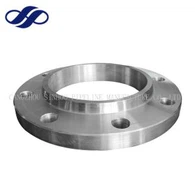




Basic Info.
Products | Pipe End Cap |
Size | 1/2"-72" |
Wall Thickness | SCH10,SCH20,SCH30,STD,SCH40,SCH60,XS,SCH80,SCH100,SCH120,SCH140, SCH160,XXS |
Standard | ASTMA234,ASTM A420,ANSI B16.9/B16.28/B16.25,ASME B16.9, JIS B2311-1997/2312, JIS B2311/B2312, DIN 2605-1/2617/2615, GB 12459-99,EN Standard etc. |
Material | CARBON STEEL:A234 WPB WPC,A420 WPL3 WPL6,MSS SP75 SP44,A106,WPHY42 WPHY46 WPHY52 WPHY56 WPHY60 WPHY65 WPHY70,A350,A333,ST37.0,ST35.8, ST37.2,ST35.4/8,ST42,ST45,ST52,ST52.4 ALLOY STEEL:A234 WP5, WP9,WP11,WP12,WP22,WP91,A182 F12,P11,F22,F5,F9,F91 A335 P12,P11,P22,P5,P9,P91 STAINLESS STEEL:A403 WP304,304L,316,316L,321,321L,310,347H,A182 F304,F304L ,F316L,F316,F321,F347H,F310,F44 |
Application | Low and middle pressure fluid pipeline,boiler, petroleum and natural gas industry,drilling, chemical industry, electric industry,shipbuilding,fertilizer equipment and pipeline, structure, petrochemical,pharmaceutical industry |
Surface | Black painting,varnish paint, anti rust oil, hot galvanized, cold galvanized, 3PE,etc. |
Package | Plastic film,wooden cases ,wooden pallet,or on customers' request |
Certificate | ISO9001:2008, SGS,BV, etc |
Capacity | 50000tons/year |
Advantages | 1.Reasonable price with excellent quality 2.Abundant stock and prompt delivery 3.Rich supply and export experience, sincere service 4. Reliable forwarder, 2-hour away from port. |
Introduction
Carbon steel caps are pipe fittings used to cover the end of a pipe or tube. They are typically made from carbon steel, which is a type of steel that contains carbon as the primary alloying element. Carbon steel caps are widely used in industrial applications such as oil and gas, petrochemical, and power generation industries.
Uses of Carbon Steel Caps
Carbon steel caps have a variety of uses, including:
Closing the ends of pipelines to prevent dirt, debris, and other contaminants from entering
Protecting the ends of pipes from damage due to impact, corrosion, or weathering
Providing a finished look to the end of a pipe or tube
Facilitating easy inspection and maintenance of pipelines
Properties of Carbon Steel Caps
Carbon steel caps are known for their exceptional strength, durability, and resistance to corrosion and heat. Let's take a closer look at these properties.
Strength and Durability
Carbon steel caps are incredibly strong and durable. They can withstand high levels of pressure and temperature without breaking or deforming. This makes them ideal for use in harsh industrial environments.
Corrosion Resistance
Carbon steel caps are highly resistant to corrosion. They are made from a material that contains a small amount of carbon, which helps prevent rust and other forms of corrosion. Carbon steel caps are also coated with a layer of paint or other protective material to further enhance their corrosion resistance.
Heat Resistance
Carbon steel caps can withstand high levels of heat without melting or deforming. This makes them suitable for use in high-temperature environments such as power plants and refineries.
Manufacturing Process of Carbon Steel Caps
There are three primary methods of manufacturing carbon steel caps: hot forming, cold forming, and machining.
Hot Forming
In hot forming, the steel is heated to a temperature above its recrystallization point and then shaped into the desired shape using a hydraulic press or similar equipment. This method is commonly used for large-diameter caps.
Cold Forming
In cold forming, the steel is shaped into the desired shape at room temperature using a press or other equipment. This method is commonly used for smaller-diameter caps.
Machining
involves cutting the carbon steel into the desired shape using a lathe or milling machine. This method is typically used for customized caps or for small production runs.
Types of Carbon Steel Caps
There are several types of carbon steel caps available on the market, including:
Butt Weld Caps
Butt weld caps are designed to be welded onto the end of a pipe or tube using a butt welding process. They have a beveled end that allows for a smooth transition between the cap and the pipe.
Socket Weld Caps
Socket weld caps are designed to be welded onto the end of a pipe or tube using a socket welding process. They have a socket-shaped end that fits over the end of the pipe.
Threaded Caps
Threaded caps are designed to be screwed onto the end of a pipe or tube. They have threads on the inside of the cap that match the threads on the outside of the pipe.
Installation of Carbon Steel Caps
Proper installation of carbon steel caps is crucial to ensure their functionality and longevity. Here are the steps involved in installing carbon steel caps:
Preparation
Before installing the cap, make sure that the end of the pipe or tube is clean and free of debris, rust, or other contaminants. If necessary, use a wire brush or other cleaning tool to remove any buildup.
Welding
If using a butt weld cap, the cap must be welded onto the end of the pipe or tube using a butt welding process. If using a socket weld cap, the cap must be welded onto the end of the pipe or tube using a socket welding process. If using a threaded cap, the cap must be screwed onto the end of the pipe or tube using a pipe wrench.
Inspection
After installation, inspect the cap and surrounding area for any signs of damage, leaks, or other issues. If any issues are found, address them immediately to prevent further damage or failure.
Maintenance and Care of Carbon Steel Caps
Proper maintenance and care of carbon steel caps are essential to ensure their functionality and longevity. Here are some tips for maintaining and caring for carbon steel caps:
Cleaning
Regular cleaning of the cap and surrounding area is necessary to prevent the buildup of debris, rust, or other contaminants that can lead to corrosion or other issues. Use a wire brush or other cleaning tool to remove any buildup.
Corrosion Protection
Carbon steel caps are susceptible to corrosion, so it is essential to protect them from exposure to moisture, chemicals, or other corrosive substances. Apply a layer of paint or other protective coating to the cap to prevent rust and other forms of corrosion.
Repairs
If the cap becomes damaged or shows signs of wear and tear, it may need to be repaired or replaced. Consult with a professional to determine the best course of action.
Advantages of Carbon Steel Caps
Carbon steel caps offer several advantages over other types of caps, including:
Cost-effectiveness
Carbon steel caps are relatively inexpensive compared to other materials such as stainless steel or copper. This makes them an attractive option for budget-conscious consumers.
Versatility
Carbon steel caps are highly versatile and can be used in a variety of industrial applications, from oil and gas to power generation and beyond.
Availability
Carbon steel caps are readily available from a variety of suppliers, making them easy to source for most industrial applications.
Disadvantages of Carbon Steel Caps
While carbon steel caps offer many advantages, they also have some disadvantages to consider, including:
Corrosion Susceptibility
Carbon steel caps are highly susceptible to corrosion, which can lead to rust and other forms of damage. Proper maintenance and care are essential to prevent corrosion and ensure the longevity of the cap.
Limited Applications
Carbon steel caps have limited applications in certain industries. For example, in industries that require high levels of corrosion resistance or that handle high-temperature or high-pressure environments, carbon steel caps may not be suitable.
Welding Difficulties
Welding carbon steel caps can be challenging due to their susceptibility to cracking or other forms of damage during the welding process. Proper welding techniques and equipment are necessary to ensure a successful weld.
FAQs
What is a carbon steel cap?
A carbon steel cap is a type of pipe fitting that is used to cover the end of a pipe or tube. It is typically made of carbon steel, which is a durable and cost-effective material.
How are carbon steel caps installed?
Carbon steel caps are typically installed by welding them onto the end of a pipe or tube using a butt welding or socket welding process. Threaded caps can also be screwed onto the end of a pipe or tube.
What are the advantages of carbon steel caps?
Carbon steel caps offer cost-effectiveness, versatility, and availability. They are relatively inexpensive, highly versatile, and readily available from a variety of suppliers.
What are the disadvantages of carbon steel caps?
Carbon steel caps are susceptible to corrosion, have limited applications in certain industries, and can be challenging to weld due to their susceptibility to cracking.
How do I care for my carbon steel cap?
Proper maintenance and care of carbon steel caps are essential to ensure their longevity and functionality. This includes regular cleaning, corrosion protection, and addressing any signs of damage or wear and tear immediately.
Hot Tags: carbon steel caps, China carbon steel caps manufacturers, suppliers, factory, DN700 STEEL BEND, JIS G3454 TEE, Alloy Steel Pipe Fittings, ERW Steel Reducer, 3 Times Elbow, P91 Pipe Fittings