


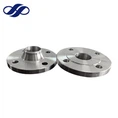


316 stainless steel elbow (elbow): in the pipeline system, connect two pipes with the same or different nominal diameter to make the pipeline turn at a certain angle.
Material name:
Classification of elbows: according to the angle, the most commonly used are 45 °, 90 ° and 180 °. In addition, according to the needs of the project, it also includes 60 ° and other abnormal angle elbows.
The connection methods with pipes include: direct welding (the most commonly used method), flange connection, threaded connection, socket connection.
According to the production process, it can be divided into: welding elbow, stamping elbow, casting elbow.
Stainless steel tee is a kind of pipe fitting used at the branch of pipeline. For the manufacture of tee with seamless pipe, the commonly used processes include hydraulic bulging and hot pressing. The hydraulic bulging of stainless steel tee is a kind of forming process of expanding the branch pipe through the axial compensation of metal materials. The process is to use a special hydraulic press to inject liquid into the tube blank with the same diameter as the tee, and squeeze the tube blank through the synchronous centering movement of the two horizontal side cylinders of the hydraulic press. The volume of the tube blank becomes smaller after extrusion, and the liquid in the tube blank increases with the volume of the tube blank. When the pressure required for the expansion of the stainless steel tee branch pipe is reached, Under the double action of the liquid pressure in the side cylinder and the tube blank, the metal material flows along the inner cavity of the die and expands out of the branch pipe.
Introduction
Pipe fittings are essential components that connect and control the flow of liquids or gases in piping systems. While there are many types of pipe fittings available, 316L pipe fittings are a popular choice for their superior corrosion resistance, high-temperature tolerance, and durability. In this article, we will explore the benefits of using 316L pipe fittings, the different types available, their applications in various industries, and how to install them properly.
What are 316L Pipe Fittings?
316L pipe fittings are pipe components made from 316L stainless steel, a low-carbon variant of 316 stainless steel. This material offers superior corrosion resistance, high-temperature tolerance, and excellent mechanical properties, making it ideal for use in harsh and demanding environments. 316L pipe fittings come in a wide range of shapes and sizes, including elbows, tees, reducers, couplings, and caps.
Benefits of Using 316L Pipe Fittings
The use of 316L pipe fittings offers several benefits, including:
Superior Corrosion Resistance: 316L stainless steel has excellent resistance to corrosion, making it ideal for use in harsh environments such as chemical processing plants, marine applications, and offshore oil and gas rigs.
High-Temperature Tolerance: 316L stainless steel can withstand high temperatures, making it suitable for use in high-temperature applications such as steam pipelines and exhaust systems.
Durability: 316L stainless steel is highly durable, with excellent mechanical properties that allow it to withstand high pressure and stress.
Hygienic Properties: 316L stainless steel is non-toxic and non-porous, making it ideal for use in applications where cleanliness and hygiene are essential, such as in the food and pharmaceutical industries.
Aesthetic Appeal: 316L stainless steel has an attractive appearance, making it ideal for use in applications where aesthetics are important.
Types of 316L Pipe Fittings
There are several types of 316L pipe fittings available, including:
316L Stainless Steel Elbow
316L stainless steel elbows are pipe fittings that allow for a change in direction of the piping system. They come in different angles, including 90 degrees, 45 degrees, and 180 degrees.
316L Stainless Steel Tee
316L stainless steel tees are pipe fittings that allow for the connection of three pipes at a right angle. They come in different configurations, including equal tee, reducing tee, and barred tee.
316L Stainless Steel Reducer
316L stainless steel reducers are pipe fittings that allow for the connection of pipes with different diameters. They come in two types: concentric reducers and eccentric reducers.
316L Stainless Steel Coupling
316L stainless steel couplings are pipe fittings that allow for the connection of two pipes of the same diameter. They come in different types, including full coupling and half coupling.
316L Stainless Steel Cap
316L stainless steel caps are pipe fittings that are used to seal the end of a pipe. They come in different sizes and can be threaded or welded.
Applications of 316L Pipe Fittings
316L pipe fittings are used in various industries, including:
Chemical Processing Industry
The chemical processing industry relies heavily on 316L pipe fittings due to their superior resistance to corrosion and high-temperature tolerance. They are used in applications such as chemical transportation, storage, and processing.
Oil and Gas Industry
316L pipe fittings are widely used in the oil and gas industry due to their resistance to corrosion and high-temperature tolerance. They are used in applications such as pipelines, refineries, and offshore platforms.
Food and Beverage Industry
The food and beverage industry uses 316L pipe fittings due to their hygienic properties and resistance to corrosion. They are used in applications such as dairy processing, beverage production, and food processing.
Pharmaceutical Industry
The pharmaceutical industry relies
on 316L pipe fittings for their high purity and corrosion resistance. They are used in applications such as the production of medicines, vaccines, and other pharmaceutical products.
Water Treatment Industry
316L pipe fittings are widely used in the water treatment industry due to their resistance to corrosion and high-temperature tolerance. They are used in applications such as water desalination, sewage treatment, and water purification.
Aerospace Industry
316L pipe fittings are used in the aerospace industry due to their resistance to corrosion and high-temperature tolerance. They are used in applications such as aircraft engines, fuel systems, and hydraulic systems.
Construction Industry
The construction industry uses 316L pipe fittings due to their strength, durability, and resistance to corrosion. They are used in applications such as plumbing, heating, and ventilation systems.
Advantages of 316L Pipe Fittings
316L pipe fittings offer various advantages over other materials, including:
Resistance to Corrosion
316L stainless steel is highly resistant to corrosion, making it ideal for use in harsh environments where corrosion is a concern.
High-Temperature Tolerance
316L stainless steel can withstand high temperatures without losing its strength, making it suitable for use in high-temperature applications.
Hygienic Properties
316L stainless steel has hygienic properties, making it suitable for use in the food and beverage and pharmaceutical industries.
Strength and Durability
316L stainless steel is strong and durable, making it suitable for use in applications where strength and durability are essential.
FAQs
What is 316L stainless steel?
316L stainless steel is a type of stainless steel that contains low carbon levels and has a higher resistance to corrosion than other types of stainless steel.
What are the different types of 316L pipe fittings?
The different types of 316L pipe fittings include tees, reducers, couplings, and caps.
What industries use 316L pipe fittings?
316L pipe fittings are used in various industries, including chemical processing, oil and gas, food and beverage, pharmaceutical, water treatment, aerospace, and construction.
What are the advantages of 316L pipe fittings?
The advantages of 316L pipe fittings include resistance to corrosion, high-temperature tolerance, hygienic properties, strength, and durability.
Where can I find 316L pipe fittings?
316L pipe fittings can be found at industrial supply stores and online retailers that specialize in piping and plumbing supplies.

Hot Tags: 316l pipe fittings, China 316l pipe fittings manufacturers, suppliers, factory, DN200 STEEL REDUCER FITTING, Steel fittings, Q235 Elbow, type12 slip on flange, JIS G3452 REDUCER, SHORT RADIUS Saddle Fittings


