




According to the production process, it can be divided into: welding elbow, stamping elbow, casting elbow.
Divided by material: carbon steel, cast steel, alloy steel, stainless steel (304, 316, 310, 321, 301), copper, aluminum alloy, etc. (but all the products in the small wooden factory are pure forgings)
Manufacturing methods can be divided into: pushing, pressing, forging, casting, etc. (now they are generally pure forged)
304 stainless steel elbow can also be divided into equal diameter elbow and non equal diameter elbow. Equal diameter elbow is used to connect pipes with the same outer diameter, and non equal diameter elbow is used to connect pipes with different outer diameters.
Manufacturing standards include: national standard, electric standard, water standard, American Standard, German standard, Japanese standard.According to the radius of curvature: it can be divided into long radius elbow and short radius elbow. Long radius elbow refers to its radius of curvature equal to 1.5 times the outer diameter of the pipe, that is, r=1.5d. Short radius elbow means that its radius of curvature is equal to the outer diameter of the pipe, that is, r=1.0d. (D is the elbow diameter, R is the radius of curvature).
According to the pressure rating, there are about 17 kinds, which are the same as the American pipe standards, including: sch5s, sch10s, sch10, sch20, sch30, sch40s, STD, sch40, sch60, sch80s, XS; Sch80、SCH100、Sch120、Sch140、Sch160、XXS; STD and XS are the most commonly used.
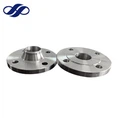
304 stainless steel is a widely-used material in piping systems due to its superior corrosion resistance, durability, and versatility. To connect pipes or tubes, fittings that fit the same material, size, and standard are necessary. we will provide a comprehensive guide to 304 pipe fittings, covering their types, features, applications, standards, and selection criteria. Types and Features of 304 Pipe Fittings 304 pipe fittings come in various shapes and sizes to match different requirements of piping systems. The most common types of fittings include elbows, tees, reducers, caps, flanges, and couplings. Elbows are used to change the direction of flow by 90 or 45 degrees. Tees are used to connect three pipes at right angles. Reducers are used to connect two pipes of different diameters. Caps are used to seal the end of a pipe. Flanges are used to connect two pipes or to other devices such as valves or pumps. Couplings are used to join two pipes of the same diameter. 304 pipe fittings may have different end connections, such as threaded, socket weld, butt weld, or flanged. They may also have different pressure ratings, materials, surface finishes, tolerances, and certifications. The key features that distinguish 304 pipe fittings from other types are their high corrosion resistance, low carbon content, high strength, and ease of fabrication. They can withstand a wide range of temperatures and pressures, making them suitable for many environments and applications. Applications and Standards of 304 Pipe Fittings 304 pipe fittings are widely used in many industries, such as chemical, petrochemical, food and beverage, pharmaceutical, water treatment, HVAC, and marine. Some typical applications include transferring liquids, gases, or solids, controlling flow, preventing leakage, or protecting equipment. 304 pipe fittings can also be used in high-temperature or high-pressure conditions, where other materials may fail. The main standards that govern the design, manufacturing, testing, and certification of 304 pipe fittings are ASTM A403, ASME B16.11, ASME B16.9, MSS SP-43, MSS SP-97, ANSI/ASME B16.5, ANSI/ASME B31.1, and ANSI/ASME B31.3. These standards provide guidelines for the dimensions, materials, tolerance, markings, testing, and inspection of 304 pipe fittings, ensuring their quality and safety for use in various piping systems. Selection Criteria for 304 Pipe Fittings To select the right 304 pipe fittings for your piping system, you need to consider several factors, such as the type of fluid or gas, the temperature, the pressure, the flow rate, the space constraints, and the installation method. Here are some general guidelines for selecting 304 pipe fittings: - Choose the appropriate type of fitting based on the direction, angle, and number of pipes to be connected. - Consider the pressure rating of the fitting, which should match or exceed the maximum working pressure of the piping system. - Look for fittings that have the same material and surface finish as the pipes to ensure compatibility and reduce the risk of corrosion or leaks. - Check the dimensions and tolerances of the fittings to ensure a tight fit and easy installation. - Determine the end connection of the fitting, which should match the type of joint used in the piping system. - Choose fittings that have been certified to meet the relevant standards and specifications, such as ASTM, ASME, or MSS. In conclusion, 304 pipe fittings are essential components of piping systems that require strong, resistant, and flexible joints. By understanding the types, features, applications, standards, and selection criteria of these fittings, you can make informed decisions on how to choose and use them effectively. If you need further assistance or advice on 304 pipe fittings, please consult with a qualified piping engineer or supplier.
Hot Tags: 304 pipe fittings, China 304 pipe fittings manufacturers, suppliers, factory, F321 F51 300, DN700 STEEL BEND, npt pipe fittings, DN600 STEEL ELBOW FITTING, JIS B2311 STEEL BEND, Dummy Flange


