


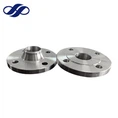

A reverse flange is a type of flange that is used in a piping system to provide a secure and leak-proof connection between two sections of pipe or between a pipe and a piece of equipment. The reverse flange is designed in such a way that the sealing surface of the flange is on the opposite side of the flange from where it is typically located.
Reverse flanges are typically used in applications where it is not possible to use a standard flange or where a standard flange would not provide an effective solution. For example, in applications where there is limited space or where access to the flange is restricted, a reverse flange may be used to provide a secure and leak-proof connection.
Reverse flanges are available in a variety of materials, including carbon steel, stainless steel, and other alloys. The choice of material will depend on the specific requirements of the application and the conditions under which the flange will be used.
There are several different types of reverse flanges, including slip-on reverse flanges, weld neck reverse flanges, threaded reverse flanges, and socket weld reverse flanges. Each type of reverse flange is designed to meet specific needs and requirements, and the choice of flange will depend on the specific application and the requirements of the system.
One of the key benefits of using reverse flanges is their versatility. Reverse flanges can be used in a variety of applications and can be easily customized to meet specific requirements. This makes them an ideal choice for use in a wide range of industries, including construction, oil and gas, and chemical processing.
Another benefit of reverse flanges is their strength and durability. Reverse flanges are typically made from high-quality materials that are designed to withstand high levels of stress and pressure, making them suitable for use in demanding applications.
In conclusion, reverse flanges are an essential component used in a variety of piping systems. They are designed to provide a secure and leak-proof connection between two sections of pipe or between a pipe and a piece of equipment. Reverse flanges are available in a variety of materials and configurations, and each type is designed to meet specific needs and requirements. Whether used in a construction project, an oil and gas application, or in a chemical processing plant, reverse flanges play a crucial role in ensuring the reliability and efficiency of piping systems.
