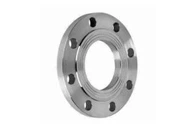




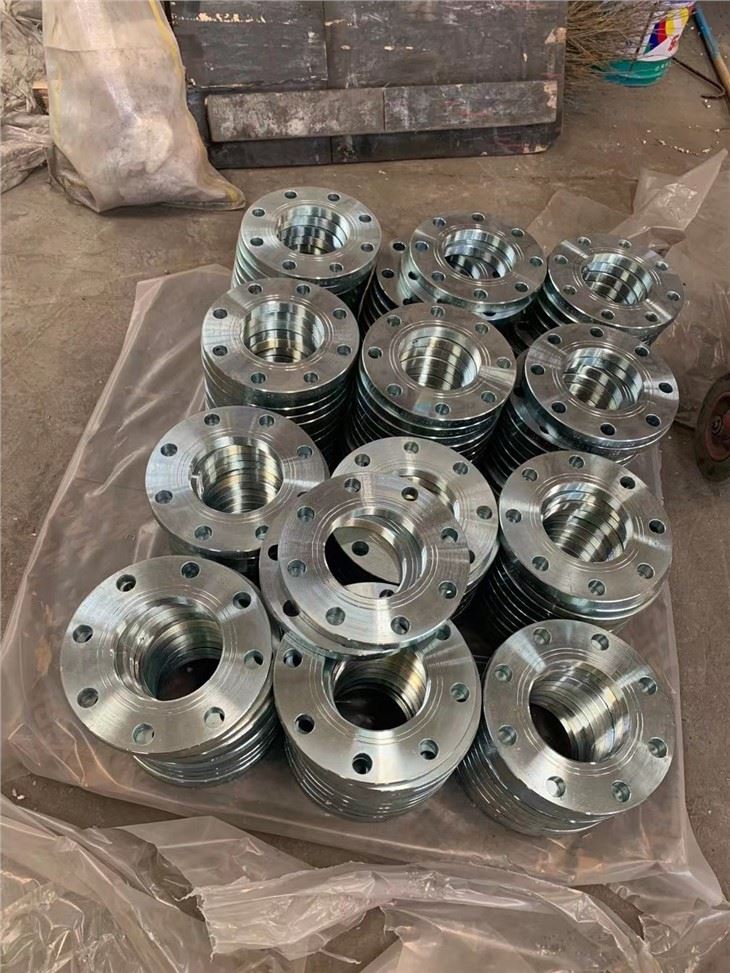

Plain welded steel flange: suitable for carbon steel pipe connection with nominal pressure not exceeding 2.5mpa. The sealing surface of flat welding flange can be made into smooth, concave and convex and tenon groove type three. Smooth flat welding flange is the most suitable. It is mainly used in the case of moderate medium conditions, such as low-pressure non-purified compressed air and low-pressure circulating water. Its advantage is that the price is relatively cheap;
Butt welding steel flange: used for flange and pipe butt welding, its reasonable structure, strength and stiffness is large, withstand high temperature and high pressure and repeated bending and temperature fluctuations, reliable sealing. Butt welding flanges with nominal pressure of 0.25 ~ 2.5mpa adopt concave and convex sealing surfaces.

Butt welding flange production standards: due to the nominal diameter of the container cylinder and the nominal diameter of the pipe represented by the specific size is different, so, the same nominal diameter of the container flange and pipe flange, their size is not the same, the two can not be substituted for each other. Besides butt welding flange, there are cast steel flange, cast iron flange and so on. Butt welding flange standard in addition to GB9119.7-88, commonly used standards are: Ministry of Chemical Industry standard HG20592-HG20602-97; Sinopec standard SH3406-96, etc.
Welding flange production materials are: the major steel manufacturers production of structural tube, fluid tube, high pressure boiler tube, low and medium pressure boiler tube, seamless steel tube, seamless tube, chemical fertilizer special tube, petroleum cracking tube, petroleum casing, alloy tube. Stainless steel seamless pipe, stainless steel welded pipe, stainless steel plate, aluminum zinc plate, stainless steel rod, stainless steel forgings, stainless steel profiles, etc.
Butt welding flange is suitable for pressure or temperature fluctuations of pipelines or high temperature, high pressure and low temperature pipelines
1. Introduction
A flange nut is a nut that has a wide, flanged base that distributes the load of the fastener over a large surface area. This makes it more secure and less likely to come loose compared to regular nuts. Flange nuts are commonly used in applications where vibration or movement is a concern. They are also used to attach objects to surfaces or to secure two objects together.
2. What are Flange Nuts?
Flange nuts are nuts that have a flanged base, which provides a larger surface area to distribute the load of the fastener. This type of nut is commonly used in applications where there is a concern for vibration or movement, as the wider base makes it less likely to come loose. Flange nuts are also used to attach objects to surfaces or to secure two objects together.
3. Types of Flange Nuts
There are various types of flange nuts available in the market, and each type has its unique features and applications. Some of the common types of flange nuts include:
Serrated Flange Nuts
Non-Serrated Flange Nuts
Nylon Insert Locking Flange Nuts
All-Metal Locking Flange Nuts
Prevailing Torque Lock Nuts
4. Stainless Steel Flange Nuts
Stainless steel flange nuts are made from high-grade stainless steel, which provides excellent corrosion resistance and durability. They are suitable for use in harsh environments and applications where high strength and reliability are required. Stainless steel flange nuts are available in various sizes and finishes to suit different applications.
5. Advantages of Using Stainless Steel Flange Nuts
There are many advantages of using stainless steel flange nuts, including:
Corrosion resistance: Stainless steel flange nuts are highly resistant to corrosion and rust, making them ideal for use in harsh environments or applications where exposure to moisture or chemicals is a concern.
High strength: Stainless steel is a strong material, and flange nuts made from this material can withstand high loads and pressures.
Durability: Stainless steel flange nuts are durable and long-lasting, which makes them a cost-effective choice in the long run.
Aesthetics: Stainless steel flange nuts have a polished finish that looks attractive and adds a touch of elegance to any application.
6. Applications of Stainless Steel Flange Nuts
Stainless steel flange nuts are used in a wide range of applications, including:
Automotive industry: Stainless steel flange nuts are commonly used in the automotive industry to secure parts together and to prevent vibration and movement.
Construction industry: Flange nuts are commonly used in the construction industry to secure bolts and screws in place, especially in applications where vibration and movement are a concern.
Marine industry: Stainless steel flange nuts are highly resistant to corrosion, making them ideal for use in marine applications.
Aerospace industry: Flange nuts are commonly used in the aerospace industry to secure critical components and to prevent vibration and movement.
7. How to Choose the Right Stainless Steel Flange Nuts
When choosing the right stainless steel flange nuts for your application, there are several factors to consider, including:
Size: Flange nuts come in various sizes, and it is essential to choose the right size that fits your application.
Thread: Make sure to choose a flange nut with the right thread size and pitch that matches the bolt or screw you are using.
Material: Stainless steel flange nuts are available in different grades, and it is crucial to choose the right grade that suits your application.
Finish: Stainless steel flange nuts come in different finishes, including polished, matte, and black oxide. Choose the finish that suits your application requirements.
8. Factors to Consider When Installing Stainless Steel Flange Nuts
When installing stainless steel flange nuts, there are several factors to consider to ensure a secure and tight fit, including:
Tightening torque: It is essential to tighten the flange nut to the manufacturer's recommended torque to ensure a secure fit.
Thread engagement: Make sure that the flange nut engages with the threads of the bolt or screw fully.
Surface preparation: The surface where the flange nut is being installed should be clean and free of any debris or contaminants.
Thread lubrication: Applying a thread lubricant can help reduce friction and prevent galling, especially when using stainless steel fasteners.
9. Maintenance and Care of Stainless Steel Flange Nuts
Stainless steel flange nuts require minimal maintenance, but proper care is essential to ensure their longevity and performance. Some maintenance and care tips include:
Regular inspection: Inspect the flange nuts regularly for any signs of damage, corrosion, or wear.
Cleaning: Clean the flange nuts regularly to remove any debris or contaminants that may cause corrosion or compromise their performance.
Lubrication: Applying a thread lubricant can help prevent galling and prolong the life of the flange nuts.
10. Common Problems and Solutions with Stainless Steel Flange Nuts
Some common problems that may arise when using stainless steel flange nuts include:
Galling: This occurs when the threads of the fastener seize and stick together, making it difficult to remove or tighten the nut. Applying a thread lubricant can help prevent galling.
Corrosion: Stainless steel flange nuts are highly resistant to corrosion, but they can still corrode under certain conditions. Regular cleaning and maintenance can help prevent corrosion.
Loosening: If the flange nut is not tightened properly, it can come loose over time, leading to vibration or movement. Make sure to tighten the flange nut to the recommended torque.
11. FAQs about Stainless Steel Flange Nuts
Are stainless steel flange nuts more expensive than regular nuts?
Yes, stainless steel flange nuts are typically more expensive than regular nuts due to their superior properties and durability.
Can stainless steel flange nuts be used in marine applications?
Yes, stainless steel flange nuts are highly resistant to corrosion, making them ideal for use in marine applications.
What grade of stainless steel is used to make flange nuts?
Flange nuts are typically made from austenitic stainless steel, such as 304 or 316
Hot Tags: stainless steel flange nuts, China stainless steel flange nuts manufacturers, suppliers, factory, 150 DN550 904L FLANGE, CS PIPE CAP, 20 Flange, A105 CS FLANGE, 316L STEEL FLANGE, DN600 STEEL TEE FITTING