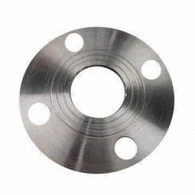


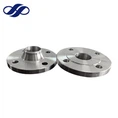


slip on flange
size:cuatomized
pressure:150/300/600/1500/2500 lbs
use:pipe connection
Introduction: Slip-on flange carbon steel
Slip-on flanges are commonly used in piping systems to connect two pipes or a pipe and a valve or fitting. Carbon steel, known for its strength and durability, is often the material of choice for slip-on flanges. Slip-on flanges made of carbon steel are available in various sizes, pressure ratings, and facing types, making them suitable for a wide range of applications.
What is a slip-on flange?
A slip-on flange is a type of flange that is slipped over the end of a pipe and welded in place. The inner diameter of the flange is slightly larger than the outer diameter of the pipe, allowing the flange to slide over the pipe. Once in place, the flange is welded to the pipe, providing a secure connection. Slip-on flanges are typically used in low-pressure and non-critical applications.
What is carbon steel?
Carbon steel is a popular material used in the construction of piping systems due to its high strength, durability, and affordability. Carbon steel is an alloy of iron and carbon, with the carbon content typically ranging from 0.05% to 2%. The higher the carbon content, the harder and stronger the steel.
Slip-on flange carbon steel properties
Slip-on flanges made of carbon steel offer several properties that make them ideal for piping applications. These properties include:
High strength and durability
Good resistance to corrosion and abrasion
Good thermal conductivity
Cost-effective
Advantages of slip-on flange carbon steel
Slip-on flanges made of carbon steel offer several advantages over other types of flanges, including:
Easy to install
Cost-effective
Suitable for low-pressure and non-critical applications
Available in a wide range of sizes and pressure ratings
Good resistance to corrosion and abrasion
Disadvantages of slip-on flange carbon steel
While slip-on flanges made of carbon steel have many advantages, they also have some disadvantages, including:
Not suitable for high-pressure and critical applications
May require more maintenance than other types of flanges
May not be suitable for use with certain chemicals or substances
Applications of slip-on flange carbon steel
Slip-on flanges made of carbon steel are used in a variety of applications, including:
Water and wastewater treatment
Oil and gas pipelines
Chemical processing
HVAC systems
Power generation
Food and beverage processing
How to choose the right slip-on flange carbon steel
When choosing a slip-on flange made of carbon steel, there are several factors to consider, including:
Size: The flange must be the correct size to fit the pipe it is being connected to.
Pressure rating: The flange must be able to withstand the pressure of the system it is being used in.
Facing type: The facing type of the flange must be compatible with the facing type of the mating flange.
Material: The carbon steel used to manufacture the flange must be suitable for the application it is being used in.
Corrosion resistance: The flange must be able to resist corrosion in the environment it is being used in.
Installation of slip-on flange carbon steel
The installation of slip-on flanges made of carbon steel is relatively easy. The pipe should be prepared by cleaning the end and removing any burrs or debris. The flange should be slipped over the end of the pipe and aligned with the mating flange. The flange should be tack-welded in place and then fully welded around the circumference of the flange.
Maintenance of slip-on flange carbon steel
Slip-on flanges made of carbon steel require some maintenance to ensure their longevity and performance. Regular inspections should be performed to check for signs of corrosion, wear, or damage. Flanges that show signs of wear or damage should be replaced immediately. Additionally, the flange bolts should be checked regularly and tightened as necessary to ensure a secure connection.
Comparison with other types of flanges
Slip-on flanges made of carbon steel are just one type of flange used in piping systems. Other types of flanges include weld-neck flanges, threaded flanges, and socket-weld flanges. Each type of flange has its own advantages and disadvantages, and the type of flange chosen will depend on the specific requirements of the piping system.
Common issues with slip-on flange carbon steel
Slip-on flanges made of carbon steel can experience several common issues, including:
Corrosion
Wear and tear
Improper installation
Incompatible facing types
Inadequate bolt tightening
Frequently asked questions about slip-on flange carbon steel
What is the maximum pressure rating for slip-on flanges made of carbon steel?
The maximum pressure rating for slip-on flanges made of carbon steel varies depending on the size and thickness of the flange. It is important to consult with industry standards and guidelines to determine the appropriate pressure rating for your specific application.
Can slip-on flanges made of carbon steel be used in high-temperature applications?
Slip-on flanges made of carbon steel are generally suitable for use in low to medium temperature applications. For high-temperature applications, special high-temperature alloys may be necessary to withstand the extreme heat.
What is the difference between a slip-on flange and a weld-neck flange?
A slip-on flange is designed to slip over the end of a pipe and be welded in place. A weld-neck flange has a tapered neck that is welded to the pipe, providing a more secure connection. Weld-neck flanges are typically used in high-pressure and high-temperature applications.
Are slip-on flanges made of carbon steel suitable for use with corrosive substances?
Slip-on flanges made of carbon steel are generally not suitable for use with highly corrosive substances. In such applications, special corrosion-resistant materials may be necessary to ensure the longevity and safety of the piping system.
How do I know if a slip-on flange made of carbon steel is the right choice for my piping system?
The choice of slip-on flange made of carbon steel will depend on several factors, including the size, pressure rating, facing type, material, and corrosion resistance required for your specific application. It is important to consult with industry standards and guidelines and to work with a qualified engineer to ensure the safety and efficiency of your piping system.
Hot Tags: slip on flange carbon steel, China slip on flange carbon steel manufacturers, suppliers, factory, Steel F321 Flange, A694 F42, DN350 444 FLANGE, RTJ Flange, SS400 Flange, 4inch JIS SS41 LAP JOINT FLANGE