




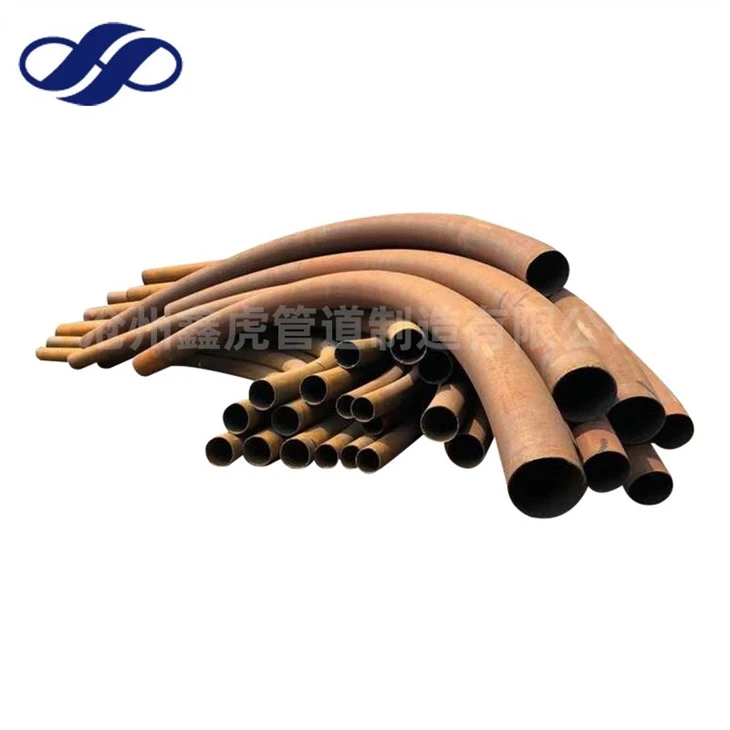
cold drawn steel pipe
SPECIFICATION:
| Standard & Material | Carbon Steel | ASTM A519 Standard | MT1010, MT1020, 1008, 1010, 1018, 1020, 1025, 1030, 1045, 1518 |
| JIS G3445 Standard | STKM11A STKM12A STKM12B STKM12C STKM13A STKM13B STKM13C STKM14A STKM14B STKM14C STKM15A STKM15C STKM16A STKM16C STKM17A STKM17C STKM18A STKM18B STKM18C STKM19A STKM19C STKM20A | ||
| JIS G3473 Standard | STC370, STC440, STC510A, STC510, STC540, STC590A, STC590B | ||
| DIN 2391 Standard | St 35, St45, St52 | ||
| EN 10297-1 Standard | E235, E275, E315, E355, E470 | ||
| EN 10305-1 Standard | E215, E235, E355 | ||
| EN 10305-4 Standard | E215, E235, E355 | ||
| BS 6323-3 Standard | HFS 3, HFS 4, HFS 5, HFS 8 | ||
| NF A49-311 | TU 37-b, TU 52-b, TU 56-b, TU XC35 | ||
| Alloy Steel | ASTM A519 Standard | 1345, 3140, 4130, 4135, 4140, 4150, 4320, 4340, 5120, 5130 | |
| JIS G3429 Standard | STH11, 12 STH21, 122 STH31 | ||
| JIS G3441 Standard | SCR420TK, SCM415TK, SCM418TK, SCM420TK, SCM430TK, SCM440TK | ||
| Stainless Steel | ASTM A511 Standard | MT304, MT304L, MT310S, MT316, MT316L, MT317, MT321, MT347, MT403, MT410, MT431 | |
| ISO Standard | NACE MR-0175 | ||
| Size | Size Range | Tolerance | |
| OD | 6-325mm | -0.035 -- +0.045mm | |
| ID | 2-250mm | ±0.035mm | |
| WT | 1-32mm | depends on sizes | |
| Length | random or fixed length | +0-3.5mm | |
| Straightness | 0.15:1000, 0.4:1000, 0.5:1000 1:1000 or customized | ||
| Surface Roughness | Ra 0.02-0.4μm | ||
CHEMICAL COMPOSITION:
| Steel Grade | C(%) | Si(%) | Mn(%) | P(%) | S(%) | Nb/V(%) |
| STKM11A | ≤0.12 | ≤0.35 | ≤0.60 | ≤0.040 | ≤0.040 | - |
| STKM12A | ≤0.20 | ≤0.35 | ≤0.60 | ≤0.040 | ≤0.040 | - |
| STKM12B | ≤0.20 | ≤0.35 | ≤0.60 | ≤0.040 | ≤0.040 | - |
| STKM12C | ≤0.20 | ≤0.35 | ≤0.60 | ≤0.040 | ≤0.040 | - |
| STKM13A | ≤0.25 | ≤0.35 | 0.30~0.90 | ≤0.040 | ≤0.040 | - |
| STKM13B | ≤0.25 | ≤0.35 | 0.30~0.90 | ≤0.040 | ≤0.040 | - |
| STKM13C | ≤0.25 | ≤0.35 | 0.30~0.90 | ≤0.040 | ≤0.040 | - |
| STKM14A | ≤0.30 | ≤0.35 | 0.30~1.00 | ≤0.040 | ≤0.040 | - |
| STKM14B | ≤0.30 | ≤0.35 | 0.30~1.00 | ≤0.040 | ≤0.040 | - |
| STKM14C | ≤0.30 | ≤0.35 | 0.30~1.00 | ≤0.040 | ≤0.040 | - |
| STKM15A | 0.25~0.35 | ≤0.35 | 0.30~1.00 | ≤0.040 | ≤0.040 | - |
| STKM15C | 0.25~0.35 | ≤0.35 | 0.30~1.00 | ≤0.040 | ≤0.040 | - |
MECHANICAL PROPERTIES:
| Steel Grade | Tensile Strength(N/mm²) | Yield Strength(N/mm²) |
| STKM11A | ≥290 | - |
| STKM12A | ≥340 | ≥175 |
| STKM12B | ≥390 | ≥275 |
| STKM12C | ≥470 | ≥355 |
| STKM13A | ≥370 | ≥215 |
| STKM13B | ≥440 | ≥305 |
| STKM13C | ≥510 | ≥380 |
| STKM14A | ≥410 | ≥245 |
| STKM14B | ≥500 | ≥355 |
| STKM14C | ≥550 | ≥410 |
| STKM15A | ≥470 | ≥275 |
| STKM15C | ≥580 | ≥430 |
1. What is a Cold Drawn Steel Pipe?
A cold drawn steel pipe is a type of steel pipe that is made by drawing a solid steel billet through a die, which reshapes the material into the desired shape and size. This process is done at room temperature, hence the name “cold drawn”. Cold drawn steel pipes are known for their smooth surface finish, tight dimensional tolerances, and high strength-to-weight ratio.
2. How is a Cold Drawn Steel Pipe Made?
The process of making a cold drawn steel pipe starts with a solid steel billet, which is a long, cylindrical piece of steel that is heated to a specific temperature to make it more malleable. The billet is then placed into a die, which is a specially designed tool that has a cavity with the shape of the desired pipe.
The die is then pulled through the billet, causing the material to flow into the cavity and take on the shape of the die. This process is repeated several times, each time reducing the diameter of the material and increasing its length. Once the desired shape and size are achieved, the pipe is cut to the appropriate length and inspected for quality.
3. What are the Features of Cold Drawn Steel Pipes?
Cold drawn steel pipes have several features that make them ideal for various applications, including:
Smooth surface finish: Cold drawn steel pipes have a smooth surface finish that makes them ideal for applications that require a high level of cleanliness or hygiene.
High dimensional accuracy: Cold drawn steel pipes are manufactured with tight dimensional tolerances, which means they have very little deviation from the specified size and shape.
High strength-to-weight ratio: Cold drawn steel pipes are stronger and lighter than many other piping materials, which makes them ideal for applications that require high strength and durability.
4. What are the Advantages of Cold Drawn Steel Pipes?
There are several advantages to using cold drawn steel pipes over other piping materials, including:
Durability: Cold drawn steel pipes are known for their durability and resistance to corrosion, which means they can last for many years without needing to be replaced.
Versatility: Cold drawn steel pipes can be used in a wide range of applications, including construction, automotive, and industrial applications.
Cost-effective: Cold drawn steel pipes are often more cost-effective than other piping materials, especially in the long run, due to their durability and long lifespan
5. What are the Applications of Cold Drawn Steel Pipes?
Cold drawn steel pipes are used in a variety of applications, including:
Automotive industry: Cold drawn steel pipes are commonly used for manufacturing automobile components such as fuel injection lines, brake lines, and transmission cooler lines.
Construction industry: Cold drawn steel pipes are used in the construction industry for water supply lines, gas pipelines, heating systems, and other structural applications.
Industrial applications: Cold drawn steel pipes are used in various industrial applications, such as in the manufacturing of machinery and equipment, heat exchangers, and oil and gas pipelines.
6. How to Choose the Right Cold Drawn Steel Pipe for Your Needs?
When choosing a cold drawn steel pipe, there are several factors to consider, including:
Material: Cold drawn steel pipes can be made from different materials, including carbon steel, alloy steel, and stainless steel. Each material has different properties and is suitable for different applications.
Size and shape: Cold drawn steel pipes come in different sizes and shapes, depending on the application. It is important to choose the right size and shape to ensure proper flow and performance.
Pressure and temperature requirements: Cold drawn steel pipes have different pressure and temperature ratings, depending on the material and size. It is important to choose the right pipe that can handle the pressure and temperature requirements of your application.
7. What are the Maintenance Requirements for Cold Drawn Steel Pipes?
Cold drawn steel pipes require little maintenance compared to other piping materials. However, it is important to inspect the pipes regularly for any signs of corrosion or damage. If any issues are found, they should be addressed immediately to prevent further damage.
8. How to Install Cold Drawn Steel Pipes?
Cold drawn steel pipes can be installed using various methods, such as welding, threading, or flanging. The installation method will depend on the specific application and the type of pipe being used. It is important to follow the manufacturer's instructions and industry standards when installing cold drawn steel pipes.
9. What are the Safety Considerations When Working with Cold Drawn Steel Pipes?
When working with cold drawn steel pipes, it is important to follow proper safety precautions, such as wearing protective gear, using the right tools, and following industry standards. Cold drawn steel pipes can be heavy and sharp, so it is important to handle them with care.
10. What are the Types of Cold Drawn Steel Pipes?
There are several types of cold drawn steel pipes, including:
Seamless cold drawn steel pipes: These pipes are made from a single piece of steel and do not have any welded seams. They are ideal for applications that require high strength and durability.
Welded cold drawn steel pipes: These pipes are made by welding two or more pieces of steel together. They are often more cost-effective than seamless pipes but may not be as strong or durable.
Cold drawn precision steel pipes: These pipes are made with high precision and have tight dimensional tolerances. They are ideal for applications that require high accuracy and consistency.
11. How Does Cold Drawn Steel Compare to Hot Rolled Steel?
Cold drawn steel is typically stronger and more durable than hot rolled steel. Cold drawing steel improves its strength, hardness, and dimensional accuracy, while hot rolling can lead to a rough surface finish and less dimensional accuracy.
12. How Does Cold Drawn Steel Compare to Stainless Steel?
Cold drawn steel and stainless steel have different properties and are suitable for different applications. Stainless steel is more corrosion-resistant than cold drawn steel but is typically more expensive.
13. What is the Cost of Cold Drawn Steel Pipes?
The cost of cold drawn steel pipes varies depending on several factors, including the material, size, and application. Cold drawn steel pipes are generally more expensive than other types of piping materials, such as PVC or copper, but they are also more durable and suitable for high-pressure and high-temperature applications.
Hot Tags: cold drawn steel pipe, China cold drawn steel pipe manufacturers, suppliers, factory, CLASS1500 STEEL FLANGE, Flat Face Flange, DIN2615 STEEL TEE FITTING, Forging Flat Welding, SCH80 STEEL BEND, DN1200 STEEL FLANGE