


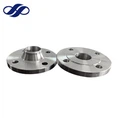


Stainless Steel TP304 Butt-Welding SS Elbows factory
Material: Stainless Steel 316L
Technics: welded
Type:elbow
Delivery Time: 5-30Days
Certs:ISO 9001-2008, CE. PED,TS
Product Description
What is the details of our Stainless Steel TP304 Butt-Welding SS Elbows factory?
Type | Stainless Steel TP304 Butt-Welding SS Elbows factory |
Size | Seamless 1/2" To 24" Welded To 72"(DN8~DN1000) |
Wall thickness | Sch5S-Sch160, XS,XXS(1.2mm~34mm) |
Standards | ANSI, ASTM,DIN, JIS, BS, ISO, GB, SH, AND HG etc |
Material | Stainless Steel: ASTM A403 WP304, 304L, 310, 316, 316L, 321, 347, 904L Alloy Steel:s31803.s32750.S32760. Temperature: ASTM A420 WPL 1, WPL 3, WPL 6 |
Surface treatment | Sand Rolling, Sand Blasting ,Acid Cleaning. |
Packing | wooden case, pallet or as customers' requirement |
Applications | Petroleum,chemical,power,gas,metallurgy, shipbuilding, construction, etc Model NO. DY-ELBOW006 Technics Hot-pressed Certification DIN, BS, GB, GS Color Silver Temperature Range -20degree Celsius~135degree Celsius Available Polishing 180 Grit, 240 Grit, 320 Grit, 420 Grit, Unpolished Available Thickness 1.5mm, 1.65mm, 2mm, 2.5mm, 3mm Type of Elbow 45 Degree, 90m Degree, 180 Degree, U Type |
1. Introduction
Carbon steel reducer fittings are piping components that are designed to connect pipes of different sizes. They are used to reduce the size of the pipe diameter or change the direction of flow. Carbon steel reducer fittings are made from high-quality carbon steel, which makes them highly durable and resistant to corrosion, wear, and tear.
2. What are Carbon Steel Reducer Fittings?
Carbon steel reducer fittings are piping components that are used to connect pipes of different sizes. They are designed to reduce the diameter of the pipe, which results in a reduction in the flow of fluid or gas. Carbon steel reducer fittings can also be used to change the direction of flow. They are commonly used in industrial applications where high pressure and high temperature are involved.
3. Types of Carbon Steel Reducer Fittings
There are two main types of carbon steel reducer fittings: concentric and eccentric. Concentric reducers have a straight side that is the same length as the larger pipe diameter, while the other side is tapered to the smaller diameter. Eccentric reducers have one side that is straight and the other side that is tapered. The straight side of an eccentric reducer is offset from the centerline of the larger pipe diameter.
4. Applications of Carbon Steel Reducer Fittings
Carbon steel reducer fittings are widely used in various industrial applications. Some of the common applications of carbon steel reducer fittings are:
Oil and Gas Industry
Carbon steel reducer fittings are commonly used in the oil and gas industry to connect pipes of different sizes. They are used in pipelines, refineries, and oil rigs.
Chemical Processing Industry
Carbon steel reducer fittings are also used in the chemical processing industry. They are used in chemical plants, where different chemicals are mixed and processed.
Power Generation Industry
Carbon steel reducer fittings are used in power generation plants, where steam and water are used to generate electricity. They are used in boilers, turbines, and other equipment.
5. Advantages of Carbon Steel Reducer Fittings
Carbon steel reducer fittings offer several advantages over other types of piping components. Some of the advantages are:
Durability
Carbon steel reducer fittings are highly durable and can withstand high pressure and temperature. They are resistant to corrosion, wear, and tear, which makes them ideal for industrial applications.
Cost-effective
Carbon steel reducer fittings are cost-effective compared to other materials such as stainless steel or copper. They are readily available and can be easily installed.
Easy to install
Carbon steel reducer fittings are easy to install and can be done without the need for special tools or equipment. They can be installed using standard piping techniques.
6. Factors to Consider Before Selecting Carbon Steel Reducer Fittings
Before selecting carbon steel reducer fittings, there are several factors that you need to consider. Some of these factors include:
Size
The size of the pipes that you are connecting is an important consideration when selecting carbon steel reducer fittings. The fittings should match the size of the pipes to ensure a proper and secure connection.
Material
Carbon steel reducer fittings come in different grades of carbon steel. The grade of carbon steel that you choose will depend on the application, pressure, and temperature requirements. Make sure to select the appropriate grade of carbon steel for your application.
Pressure and Temperature Ratings
The pressure and temperature ratings of carbon steel reducer fittings are also important considerations. Make sure to choose fittings that can withstand the pressure and temperature of your application.
Corrosion Resistance
Carbon steel reducer fittings are prone to corrosion. Consider the environment where the fittings will be installed and select fittings that are resistant to corrosion.
Cost
The cost of carbon steel reducer fittings is another important consideration. Consider the overall cost of the fittings, including the installation and maintenance costs.
7. Installation of Carbon Steel Reducer Fittings
Installing carbon steel reducer fittings is a simple process that can be done using standard piping techniques. Here are the steps for installing carbon steel reducer fittings:
Cut the pipes to the required length.
Clean the pipes and fittings using a wire brush or sandpaper to remove any rust or debris.
Apply a coat of primer to the pipes and fittings to protect against corrosion.
Apply a coat of adhesive to the pipes and fittings.
Join the pipes and fittings together and tighten the bolts to secure the connection.
8. Maintenance of Carbon Steel Reducer Fittings
Carbon steel reducer fittings require regular maintenance to ensure optimal performance and longevity. Here are some tips for maintaining carbon steel reducer fittings:
Inspect the fittings regularly for signs of corrosion or wear.
Replace any fittings that show signs of corrosion or wear.
Clean the fittings regularly to remove any dirt or debris.
Lubricate the fittings with oil to prevent rust.
9. Common Issues with Carbon Steel Reducer Fittings
Carbon steel reducer fittings are prone to several common issues. Here are some of the common issues and how to address them:
Corrosion
Carbon steel reducer fittings are prone to corrosion. Regular maintenance and proper installation can help prevent corrosion.
Leakage
Leakage can occur if the fittings are not installed properly. Make sure to follow the manufacturer's installation instructions.
Wear and Tear
Carbon steel reducer fittings can wear and tear over time. Regular inspection and maintenance can help prevent wear and tear.
10. FAQs
What is the difference between concentric and eccentric carbon steel reducer fittings?
What are the common applications of carbon steel reducer fittings?
How do I select the appropriate grade of carbon steel for my application?
What is the installation process for carbon steel reducer fittings?
How do I prevent corrosion in carbon steel reducer fittings?
Hot Tags: carbon steel reducer fitting, China carbon steel reducer fitting manufacturers, suppliers, factory, Flange Specification, Copper Tee, CLASS1500 STEEL FLANGE, DN350 409 FLANGE, 150 DN40 904L FLANGE, Astm A53


