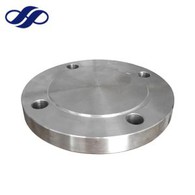


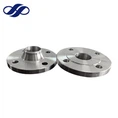


What is a BLRF Steel Flange?
BLRF stands for Blind Raised Face, which refers to the design of the flange. A BLRF steel flange is a type of pipe flange that is used to connect pipes, valves, pumps, and other equipment to form a piping system. The flange is made of steel and has a raised face, which is used to create a seal with a gasket. The blind end of the flange is used to block off the end of a pipe or a valve.
Types of BLRF Steel Flanges
There are four main types of BLRF steel flanges, which are classified based on their design:
Weld Neck BLRF Flanges
Weld neck BLRF flanges have a long neck that is welded to the pipe, which provides reinforcement and prevents stress concentration. These flanges are ideal for high-pressure and high-temperature applications.
Slip-On BLRF Flanges
Slip-on BLRF flanges have a flat face and are designed to slide over the end of a pipe. They are easy to install and are commonly used in low-pressure applications.
Blind BLRF Flanges
Blind BLRF flanges are used to close off the end of a pipe or a valve. They are commonly used in piping systems where the end of the pipe needs to be blocked off temporarily or permanently.
Socket Weld BLRF Flanges
Socket weld BLRF flanges have a socket that is welded to the pipe, which provides reinforcement and prevents stress concentration. These flanges are commonly used in high-pressure and high-temperature applications.
Applications of BLRF Steel Flanges
BLRF steel flanges are used in a wide range of industries and applications, including:
Oil and Gas Industry
BLRF steel flanges are commonly used in the oil and gas industry for offshore drilling rigs, pipelines, and refineries. They are ideal for high-pressure and high-temperature applications and can withstand harsh environments.
Chemical Industry
BLRF steel flanges are used in the chemical industry for the transportation of corrosive and hazardous materials. They are resistant to chemical corrosion and can handle high-pressure and high-temperature applications.
Power Generation Industry
BLRF steel flanges are used in the power generation industry for the transportation of steam, gas, and other fluids. They are ideal for high-pressure and high-temperature applications and can withstand the rigors of power generation.
Water Treatment Industry
BLRF steel flanges are used in the water treatment industry for the transportation of water, chemicals, and other fluids. They are resistant to corrosion and can handle high-pressure and high-temperature applications.
Advantages of BLRF Steel Flanges
BLRF steel flanges offer several advantages, including:
High strength and durability: BLRF steel flanges are made of steel, which is a strong and durable material. They can withstand high-pressure and high-temperature applications and are resistant to corrosion and other forms of wear and tear.
Easy installation: BLRF steel flanges are easy to install and can be used with a variety of piping systems. They can be bolted or welded to the pipe, depending on the application.
Versatility: BLRF steel flanges come in a variety of sizes, shapes, and designs, which makes them ideal for a wide range of applications.
Cost-effective: BLRF steel flanges are cost-effective and can be used in a variety of applications without breaking the bank.
How to Choose the Right BLRF Steel Flange
Choosing the right BLRF steel flange depends on several factors, including:
Application: The application will determine the size, shape, and design of the flange that is required. It's important to choose a flange that is suitable for the specific application.
Pressure and temperature: BLRF steel flanges are rated for specific pressure and temperature ranges. It's important to choose a flange that can handle the pressure and temperature of the application.
Material: BLRF steel flanges are available in a variety of materials, including carbon steel, stainless steel, and alloy steel. It's important to choose a flange that is compatible with the piping system and the fluid being transported.
Size: BLRF steel flanges come in a variety of sizes, which can affect the performance and efficiency of the piping system. It's important to choose a flange that is the correct size for the application.
Installation of BLRF Steel Flanges
The installation of BLRF steel flanges involves the following steps:
Clean the flange and the pipe to remove any debris or dirt.
Place the gasket on the raised face of the flange.
Align the flange with the pipe and insert the bolts.
Tighten the bolts evenly and gradually to create a seal.
Perform a leak test to ensure that the flange is properly installed.
Maintenance of BLRF Steel Flanges
BLRF steel flanges require regular maintenance to ensure optimal performance and longevity. Some maintenance tasks include:
Inspecting the flange for signs of corrosion, wear, and tear.
Replacing the gasket if it is damaged or worn out.
Tightening the bolts if they become loose.
Lubricating the bolts and nuts to prevent rust and corrosion.
Common Issues with BLRF Steel Flanges
Some common issues with BLRF steel flanges include:
Leaks: Leaks can occur if the flange is not properly installed or if the gasket is damaged.
Corrosion: Corrosion can occur if the flange is exposed to harsh environments or corrosive fluids.
Wear and tear: Wear and tear can occur over time, which can affect the performance and efficiency of the piping system.
Hot Tags: blrf steel flange, China blrf steel flange manufacturers, suppliers, factory, DN500 STEEL FLANGE, Joint Flange, PN100 STEEL FLANGE, Carbon Steel Plate Flange, DN125 409 FLANGE, DN175 444 FLANGE