





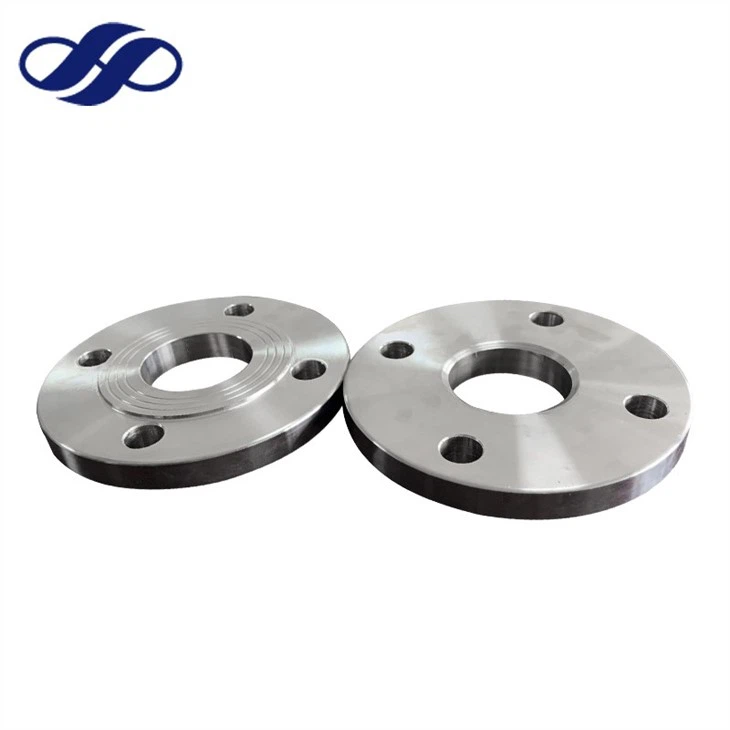
What is an Alloy Steel Flange?
An alloy steel flange is a device used to connect pipes, valves, pumps, and other equipment in a piping system. It is usually made of alloy steel, which is a type of steel that contains other elements besides iron and carbon to enhance its properties. Alloy steel flanges come in different shapes, sizes, and types, depending on the application and the piping system's requirements.
Types of Alloy Steel Flanges
There are several types of alloy steel flanges available in the market, each with its specific design and application. The most common types are:
Weld Neck Flanges
Weld neck flanges are the most popular type of flange used in industrial piping systems. They are designed to be welded to the pipe, providing a strong and permanent connection. Weld neck flanges are used in high-pressure and high-temperature applications, such as steam lines, oil and gas pipelines, and chemical processing.
Slip-On Flanges
Slip-on flanges are another type of flange that is commonly used in piping systems. They are designed to slip over the pipe's end and are then welded in place. Slip-on flanges are less expensive and easier to install than weld neck flanges. They are often used in low-pressure and low-temperature applications.
Socket Weld Flanges
Socket weld flanges are similar to slip-on flanges but have a socket welded onto the end of the pipe instead of slipping over it. Socket weld flanges are used in small-diameter piping systems and have a high level of resistance to corrosion.
Lap Joint Flanges
Lap joint flanges are used with a stub end, which is a short piece of pipe that is welded to the flange. The lap joint flange is then free to rotate around the stub end, allowing for easy alignment of the bolts. Lap joint flanges are often used in systems where the piping needs to be easily dismantled for maintenance or cleaning.
Blind Flanges
Blind flanges are used to seal off the end of a piping system. They are bolted onto the end of the pipe and provide a solid barrier against fluid flow. Blind flanges are often used in systems where the piping needs to be closed off for maintenance or cleaning.
Threaded Flanges
Threaded flanges are used in small-diameter piping systems where welding is not feasible or where frequent disassembly is required. They have internal threads that match the external threads on the pipe and are tightened using a nut. Threaded flanges are often used in low-pressure and low-temperature applications.
Properties of Alloy Steel Flanges
Alloy steel flanges possess various properties that make them suitable for use in industrial piping systems. Some of these properties include:
Corrosion Resistance
Alloy steel flanges are highly resistant to corrosion and can withstand exposure to harsh chemicals and corrosive environments. They can resist corrosion caused by acidic and alkaline solutions, seawater, and other corrosive substances.
Strength and Toughness
Alloy steel flanges have excellent strength and toughness, making them suitable for use in high-pressure and high-temperature applications. They can withstand heavy loads and vibrations without breaking or deforming.
Temperature Resistance
Alloy steel flanges can withstand extreme temperatures and can operate efficiently in both high-temperature and low-temperature environments. They have a high melting point and can maintain their mechanical properties at high temperatures.
Weldability
Alloy steel flanges are easy to weld and can be welded to different types of piping materials. They can be welded using different welding techniques, such as TIG welding, MIG welding, and stick welding.
Applications of Alloy Steel Flanges
Alloy steel flanges are used in various industries, including:
Oil and Gas Industry
Alloy steel flanges are used in the oil and gas industry for connecting pipes, valves, and other equipment in upstream, midstream, and downstream operations. They are used in pipelines, refineries, and petrochemical plants.
Petrochemical Industry
Alloy steel flanges are used in the petrochemical industry for connecting pipes and valves in chemical processing plants, fertilizer plants, and other related facilities.
Chemical Industry
Alloy steel flanges are used in the chemical industry for connecting pipes and valves in the production of various chemicals, such as acids, alkalis, and solvents.
Power Generation Industry
Alloy steel flanges are used in the power generation industry for connecting pipes and valves in power plants, including nuclear, coal-fired, and natural gas-fired plants.
Water Treatment Industry
Alloy steel flanges are used in the water treatment industry for connecting pipes and valves in water treatment plants, wastewater treatment plants, and desalination plants.
Others
Alloy steel flanges are also used in other industries, such as mining, pulp and paper, and food and beverage.
How to Select the Right Alloy Steel Flange?
Selecting the right alloy steel flange depends on various factors, such as the application, the operating conditions, and the type of piping material. Some of the factors to consider when selecting an alloy steel flange include:
The size and thickness of the flange
The type of flange required
The pressure and temperature of the fluid
The material of the piping system
The level of corrosion resistance required
The type of gasket required
Installation and Maintenance of Alloy Steel Flanges
Proper installation and maintenance of alloy steel flanges are essential to ensure their long-term performance and reliability. Some tips for installing and maintaining alloy steel flanges include:
Ensure that the flange is the correct size and type for the application
Follow the manufacturer's installation instructions
Use the correct gasket and bolts for the flange
Tighten the bolts evenly and in the correct sequence
Inspect the flange regularly for signs of damage or wear
Repair or replace damaged or worn flanges promptly
Common Issues with Alloy Steel Flanges
Alloy steel flanges can experience various issues that can affect their performance and reliability. Some of the common issues with alloy steel flanges include:
Corrosion
Despite their corrosion resistance, alloy steel flanges can still experience corrosion if they are exposed to corrosive environments for prolonged periods. Corrosion can weaken the flange and cause leaks or failures.
Bolt Failure
Bolt failure can occur due to overtightening, undertightening, or insufficient clamping force. Bolt failure can cause the flange to leak or fail, leading to downtime and costly repairs.
Gasket Failure
Gasket failure can occur due to improper installation, inadequate compression, or material degradation. Gasket failure can cause the flange to leak, resulting in process downtime and environmental pollution.
Thermal Cycling
Thermal cycling can cause the flange to expand and contract, leading to stress and fatigue. Over time, thermal cycling can cause the flange to crack or deform, leading to leaks or failures.
FAQs
What is an alloy steel flange?
An alloy steel flange is a type of flange made of alloy steel material, which is used to connect pipes, valves, and other equipment in industrial piping systems.
What are the properties of alloy steel flanges?
The properties of alloy steel flanges include corrosion resistance, strength, toughness, temperature resistance, and weldability.
What are the common applications of alloy steel flanges?
Alloy steel flanges are used in various industries, including oil and gas, petrochemical, chemical, power generation, water treatment, mining, pulp and paper, and food and beverage.
How do you select the right alloy steel flange?
Selecting the right alloy steel flange depends on various factors, such as the application, the operating conditions, and the type of piping material.
What are the common issues with alloy steel flanges?
The common issues with alloy steel flanges include corrosion, bolt failure, gasket failure, and thermal cycling.
Hot Tags: alloy steel flange, China alloy steel flange manufacturers, suppliers, factory, Threaded Flanges, Carbon Steel Welding Neck Flange, DN200 904L FLANGE, Yellow Flange, carbon steel forged flanges, weld flange


