



| Quotation | According To Your Drawings or Samples. (Size, Material, Thickness, Processing Content And Required Technology, etc.) |
| Tolerance | +/-0.005 - 0.01mm (Customizable) |
| Surface Roughness | Ra0.2 - Ra3.2 (Customizable) |
| Materials Available | Aluminum, Copper, Brass, Stainless Steel, Titanium, Iron, Plastic, Acrylic, PE, PVC, ABS, POM, PTFE etc. |
| Surface Treatment | Polishing, Surface Chamfering, Hardening and Tempering, Nickel plating, Chrome plating, zinc plating, Laser engraving, Sandblasting, Passivating, Clear Anodized, Color Anodized, Sandblast Anodized, Chemical Film, Brushing, etc. |
| Processing | Hot/Cold forging, Heat treatment, CNC Turning, Milling, Drilling and Tapping, Surface Treatment, Laser Cutting, Stamping, Die Casting, Injection Molding, etc. |
| Testing Equipment | Coordinate Measuring Machine (CMM) / Vernier Caliper/ / Automatic Height Gauge /Hardness Tester /Surface Roughness Teste/Run-out Instrument/Optical Projector, Micrometer/ Salt spray testing machine |
| Drawing Formats | PRO/E, Auto CAD, Solid Works , UG, CAD / CAM / CAE, PDF |
| Our Advantages | 1.) 24 hours online service & quickly quote and delivery. 2.) 100% quality inspection (with Quality Inspection Report) before delivery. All our products are manufactured under ISO 9001:2015. 3.) A strong, professional and reliable technical team with 16+ years of manufacturing experience. 4.) We have stable supply chain partners, including raw material suppliers, bearing suppliers, forging plants, surface treatment plants, etc. 5.) We can provide customized assembly services for those customers who have assembly needs. |
1. Introduction to 304L Steel Flanges
1.1 What are 304L Steel Flanges?
304L steel flanges are a type of flange made from stainless steel grade 304L, which is a low-carbon variant of grade 304. This steel alloy is widely used in various industries due to its excellent corrosion resistance and high-temperature resistance.
1.2 Composition of 304L Steel Flanges
304L steel flanges are primarily made up of iron, chromium, and nickel. The composition of this steel alloy includes 18% chromium and 8% nickel, which gives it excellent corrosion resistance properties. Additionally, the low carbon content in 304L steel flanges reduces the susceptibility to sensitization, making them suitable for welding and fabrication.
1.3 Properties of 304L Steel Flanges
304L steel flanges have several properties that make them ideal for various industrial applications. Some of these properties include:
Corrosion resistance
High-temperature resistance
Excellent weldability and fabricability
Low susceptibility to sensitization
Good toughness and ductility
2. Advantages of 304L Steel Flanges
2.1 Corrosion Resistance
304L steel flanges have excellent corrosion resistance properties, making them suitable for use in harsh environments. This steel alloy resists corrosion caused by acidic and alkaline solutions, organic and inorganic chemicals, and high humidity.
2.2 High-Temperature Resistance
304L steel flanges have high-temperature resistance, making them suitable for use in high-temperature applications. This steel alloy can withstand temperatures of up to 1700°F without losing its mechanical properties.
2.3 Cost-Effective
304L steel flanges are cost-effective compared to other stainless steel alloys. This steel alloy is widely available, making it an affordable option for various industrial applications.
2.4 Durability
304L steel flanges are highly durable and can withstand harsh conditions. This steel alloy has good toughness and ductility, making it less prone to breakage or damage during installation or use.
2.5 Easy to Fabricate and Weld
304L steel flanges are easy to fabricate and weld. This steel alloy has low carbon content, reducing the susceptibility to sensitization during welding. Additionally, 304L steel flanges have good weldability and can be easily formed into different shapes and sizes.
3. Applications of 304L Steel Flanges
3.1 Chemical Processing Industry
304L steel flanges are commonly used in the chemical processing industry. This steel alloy's corrosion resistance properties make it suitable for use in handling chemicals and acids.
3.2 Oil and Gas Industry
304L steel flanges are widely used in the oil and gas industry. This steel alloy's high-temperature resistance and corrosion resistance make it ideal for use in pipelines and offshore drilling rigs.
3.3 Pharmaceutical Industry
304L steel flanges are used in the pharmaceutical industry for their corrosion resistance properties. This steel alloy is suitable for use in pharmaceutical production lines that handle acidic or alkaline solutions.
3.4 Food Processing Industry
304L steel flanges are commonly used in the food processing industry. This steel alloy's corrosion resistance properties make it suitable for use in food processing equipment that handles acidic and alkaline solutions.
4. Types of 304L Steel Flanges
4.1 Weld Neck Flange
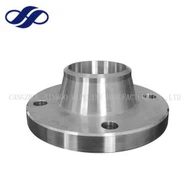
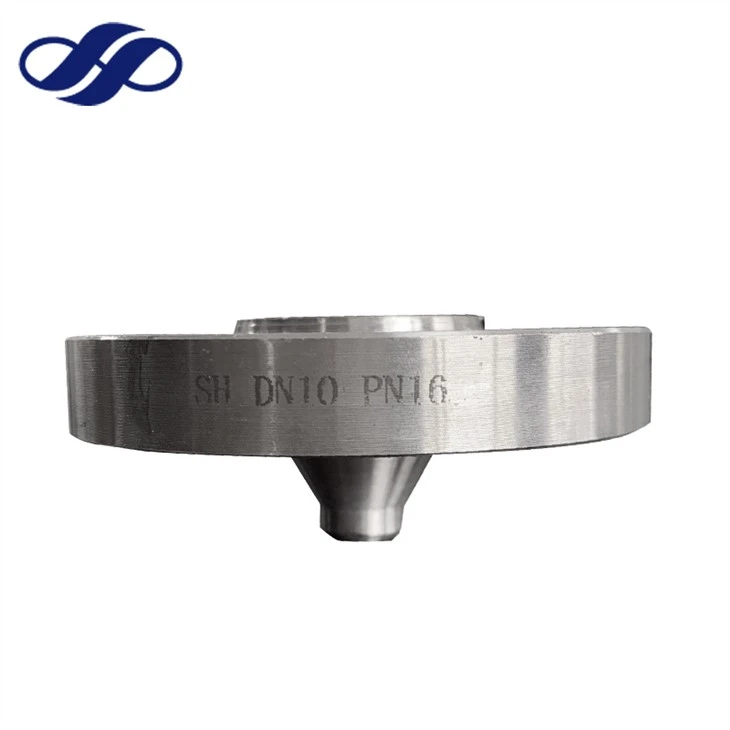
Weld neck flanges are designed to be butt welded to the pipe. This flange type has a long tapered hub and is suitable for high-pressure applications.
4.2 Slip-On Flange
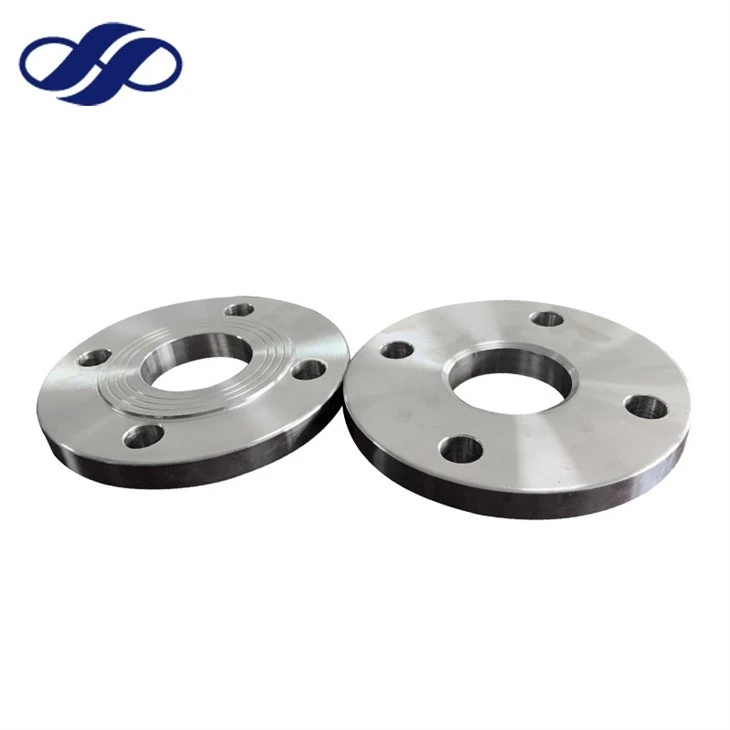
Slip on flanges slide over the pipe and are then welded in place. This flange type is popular because of its ease of installation and its ability to adapt to different pipe sizes.
4.3 Socket Weld Flange
Socket weld flanges are designed to be welded to the pipe's socket. This flange type is suitable for small-diameter piping and high-pressure applications.
4.4 Threaded Flange
Threaded flanges have threaded holes to enable the connection to the pipe with a threaded connection. This flange type is suitable for low-pressure applications.
4.5 Blind Flange
Blind flanges are used to close the end of the pipe, and they are not designed to be connected to another flange. This flange type is suitable for testing and inspection purposes.
5. How to Select the Right 304L Steel Flange
When selecting the right 304L steel flange for your application, there are several factors to consider, including:
The temperature and pressure requirements of your application
The type of pipe being used
The size of the flange required
The material of the flange
6.FAQs
6.1 What is the difference between 304 and 304L stainless steel?
304L stainless steel is a low-carbon variant of 304 stainless steel, with a maximum carbon content of 0.03%. This low carbon content reduces the susceptibility to sensitization during welding, making it a preferred choice for welding applications.
6.2 What is the maximum temperature that 304L steel flanges can withstand?
304L steel flanges can withstand temperatures of up to 1700°F without losing their mechanical properties.
6.3 What is the most common type of 304L steel flange used in the oil and gas industry?
The most common type of 304L steel flange used in the oil and gas industry is the weld neck flange, which is suitable for high-pressure applications.
6.4 What is the main advantage of using 304L steel flanges in the food processing industry?
The main advantage of using 304L steel flanges in the food processing industry is their corrosion resistance properties, which make them suitable for use in food processing equipment that handles acidic and alkaline solutions.
6.5 Can 304L steel flanges be used in high-temperature applications?
Yes, 304L steel flanges have high-temperature resistance, making them suitable for use in high-temperature applications.
Hot Tags: 304l steel flange, China 304l steel flange manufacturers, suppliers, factory, flange welding neck, blind forged flange, PN160 STEEL FLANGE, DN500 STEEL FLANGE, carbon steel pipe flanges, JIS B2220 Flange