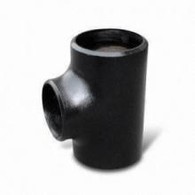


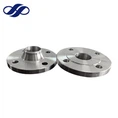


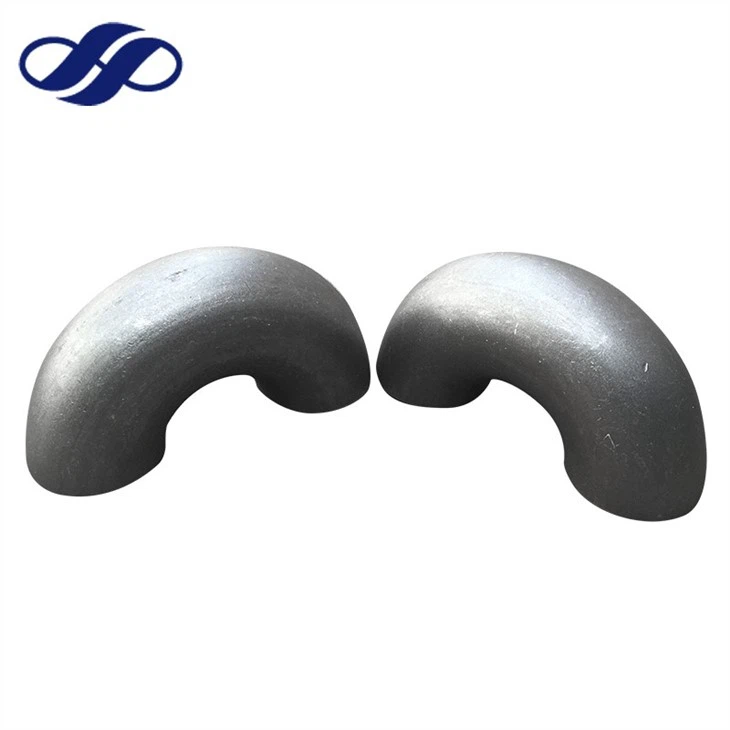
| Type | Elbow | 30°, 45°, 60°, 90°, 180° (Return): 1D (short radius), 1.5D (long radius), 3D, 5D or large radius,etc |
| Tee | Straght Tee / Equal Tee, Reduced tee, Y tee, lateral tee, etc. | |
| Cross | Straght Tee / Equal Tee, Reduced tee, etc. | |
| Reducer | Concentric, eccentric | |
| End Cap | ||
| Stub End | Long type, Short type | |
| Materials | Stainless steel | ASTM WP304/304L/316/316L UNS S30400/S30403/S31600/S31603 JIS SUS304/304L/316/316L DIN 1.4301/1.4306/1.4401/1.4404 GOST 08X18H10/03X18H11/08X17H13M2T/03X17H14M2 |
| Duplex steel | UNS31803, SAF2205, UNS32205, UNS31500, UNS32750 , UNS32760, 1.4462, 1.4410, 1.4501 and etc. | |
| Certificate | ISO 9001:2008, CE, TS | |
| Criterion | ASME/ANSI B16.9; MSS SP-43; DIN 2605, 2609, 2615, 2616, 2617; JIS B2311 ,2312,2313; EN 10253; | |
| Size Range | Seamless | 1/2"-24", DN15 - DN600 |
| Welded | 1/2"-48", DN15 - DN1200 | |
| Wall thickness | SCH5S, SCH10S, SCH10, SCH40S,STD, XS, XXS, SCH20,SCH30,SCH40, SCH60, SCH80, SCH160,XXS and etc. | |
| Surface Treatment | Pickling, Sand Rolling, Sand Blasting, Polishing, etc. | |
| Application | Petroleum, chemical, machinery, boiler,electric power, shipbuilding, papermaking, construction, etc | |
| Packing Method | Plywood Case or Pallet | |
What is a 304 Elbow?
A 304 elbow is a curved fitting that connects two pipes of different diameters or changes the direction of fluid flow within a piping system. It is made of 304 stainless steel, which is a non-magnetic alloy containing 18% chromium and 8% nickel.
The most common angle for a 304 elbow is 90 degrees, but they are also available in other angles such as 45, 60, and 180 degrees. The diameter of the elbow should be the same as the diameter of the pipe it is connecting.
Applications of 304 Elbows
304 elbows are used in various industries due to their excellent corrosion resistance, durability, and versatility. Some of the most common applications of 304 elbows include:
Food and Beverage Industry: 304 elbows are widely used in food and beverage processing plants due to their ability to withstand high temperatures, corrosive substances, and frequent cleaning.
Chemical Industry: 304 elbows are used in chemical processing plants where resistance to highly corrosive substances is required.
Petrochemical Industry: 304 elbows are used in oil and gas refineries, where they are exposed to highly corrosive environments and high-pressure conditions.
Water Treatment Industry: 304 elbows are used in water treatment plants, where they are exposed to highly corrosive substances and extreme temperatures.
HVAC Industry: 304 elbows are used in heating, ventilation, and air conditioning systems, where they are exposed to high temperatures and corrosive substances.
Types of 304 Elbows
304 elbows are available in various types, including:
Short Radius Elbows: These elbows have a shorter centerline radius than standard elbows, which makes them ideal for use in tight spaces or where space is limited.
Long Radius Elbows: These elbows have a larger centerline radius than standard elbows, which allows for a smoother flow of fluid and reduces pressure loss.
90-Degree Elbows: These elbows change the direction of fluid flow by 90 degrees and are the most commonly used type of elbow.
Benefits of 304 Elbows
There are several benefits of using 304 elbows in piping systems, including:
Corrosion Resistance: 304 stainless steel is highly resistant to corrosion, making it ideal for use in environments that are exposed to corrosive substances or high temperatures.
Durability: 304 stainless steel is a strong and durable material that can withstand high pressures and extreme temperatures.
Versatility: 304 elbows are available in various sizes, shapes, and angles, making them suitable for a wide range of applications.
Weldability: 304 stainless steel is easily welded and fabricated, which makes it easy to install and modify piping systems.
Hygiene: 304 stainless steel is easy to clean and does not absorb odors, making it ideal for use in food and beverage processing plants.
Factors to Consider When Choosing 304 Elbows
When choosing 304 elbows for a piping system, there are several factors to consider, including:
Size and Diameter: The diameter of the elbow should be the same as the diameter of the pipe it is connecting.
Angle: The angle of the elbow should be selected based on the specific application and the direction of fluid flow.
Material: 304 stainless steel is a popular material for elbows, but other materials such as carbon steel, alloy steel, and copper can also be used depending on the application.
Pressure and Temperature: The pressure and temperature of the fluid within the system should be considered when selecting the appropriate elbow.
Installation of 304 Elbows
Proper installation of 304 elbows is crucial for the efficient operation of a piping system. The following steps should be followed when installing 304 elbows:
Ensure that the pipe and elbow are clean and free of debris.
Align the pipe and elbow to ensure a proper fit.
Weld or use a mechanical joint to connect the pipe and elbow.
Test the joint to ensure that it is leak-free.
Maintenance of 304 Elbows
Regular maintenance of 304 elbows is necessary to ensure their longevity and efficient operation. The following maintenance practices should be followed:
Inspect the elbows regularly for signs of corrosion, leaks, or damage.
Clean the elbows regularly to remove any buildup or debris.
Replace any damaged or worn elbows immediately.
Common Issues with 304 Elbows
Some common issues that may arise with 304 elbows include:
Corrosion: Corrosion can occur due to exposure to corrosive substances or high temperatures.
Leakage: Leakage can occur due to damage or improper installation.
Wear and Tear: Elbows may become worn or damaged over time due to high pressure, extreme temperatures, or frequent use.
How to Address 304 Elbow Issues
To address issues with 304 elbows, the following steps should be taken:
Identify the issue and its cause.
Repair or replace the damaged or worn elbow.
Implement measures to prevent the issue from recurring.
Comparison of 304 and 316 Stainless Steel Elbows
304 and 316 stainless steel are both popular materials used in the production of elbows. While both materials offer excellent corrosion resistance, there are some differences between the two. 316 stainless steel is more resistant to corrosion in harsh environments and is more suitable for use in marine applications.
The Future of 304 Elbows
The demand for 304 elbows is expected to continue to grow due to the material's numerous benefits and versatility. As industries such as food and beverage, chemical processing, and oil and gas continue to expand, the need for reliable and efficient piping systems will only increase. Additionally, advancements in manufacturing technology and materials science will likely lead to even more durable and efficient 304 elbows in the future.
FAQs
What is a 304 elbow used for?
A 304 elbow is used to connect two pipes at an angle and is commonly used in piping systems in various industries.
Is 304 stainless steel suitable for high-pressure applications?
Yes, 304 stainless steel is a strong and durable material that can withstand high pressures and extreme temperatures.
Can 304 elbows be made from materials other than stainless steel?
Yes, 304 elbows can be made from other materials such as carbon steel, alloy steel, and copper depending on the specific application.
How often should 304 elbows be inspected for maintenance purposes?
304 elbows should be inspected regularly for signs of corrosion, leaks, or damage, and cleaned as necessary to remove buildup or debris.
Are there any alternatives to 304 elbows?
Yes, there are various types of elbows available such as 316 stainless steel elbows, carbon steel elbows, and alloy steel elbows, each with their own unique properties and benefits.
Hot Tags: 304 elbow, China 304 elbow manufacturers, suppliers, factory, SCH140 PIPE FITTINGS, DN600 STEEL ELBOW FITTING, DN700 STEEL ELBOW FITTING, DN600 STEEL REDUCER FITTING, Butt welding tee, JIS G3455 FLANGE